Blog
Posted on: October 27th, 2015
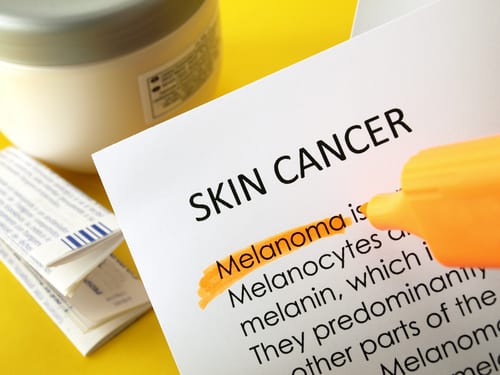
 Skin cancer is the most commonly occurring cancer, affecting more people in America than breast, prostate, lung, and colon cancers combined. While each patient is unique, there is currently a 93 percent survival rate for skin cancer, which is one of the highest survival rates of any cancer. This is due to a number of factors, the most important being early detection.
Catching any cancer in its early stages is one of the main keys to surviving it. Educating yourself on what skin cancer and precancerous lesions look like will help you know when you should get evaluated for skin cancer. The ABCDE system of identifying cancerous and precancerous lesions will help you know if you should get your lesion checked for skin cancer.
- A: Asymmetry – Cancerous lesions are not symmetrical. If you draw a line through the center of the lesion, both sides don’t match up.
- B: Borders – Regular lesions have smooth borders, while cancerous and precancerous ones have jagged, irregularly shaped borders.
- C: Color – Most benign moles are one color. If you have a lesion that varies in color, you should get it evaluated.
- D: Diameter – Cancerous lesions are usually larger than benign lesions. You should get checked if your lesion has a diameter larger than 6mm or if it is bigger than an eraser head.
- E: Evolving – Moles and other lesions usually stay static. If yours changes in appearance or grows over time, you should have a doctor check it out.
Diagnosing Skin Cancer
If you believe that you might have a cancerous lesion, it is important to schedule a consultation with a doctor. During your consultation, a small portion of the lesion will be cut off and sent to a lab to be biopsied. If your results come back as precancerous or cancerous, the next step to take is treatment.
Treating Skin Cancer
Whether you have a precancerous or cancerous lesion, the first step is removing the mass. Smaller lesions can be removed in-office using local anesthesia. Common removal techniques include excision or desiccation. After removal, some patients may require further cancer treatment that may include chemotherapy and radiation.
Reconstruction After Treatment
Some lesions are larger or placed in visible areas that can leave unattractive marks on the skin after removal. Sometimes it is just some slight scarring, but in other cases, whole sections of tissue may be removed from the nose, lips, or ears. Dr. Wald performs reconstruction on areas that have undergone cancer removal. This is done to restore the aesthetic appearance of the skin. Common reconstruction techniques include:
- Scar revision
- Transferred tissue flaps
- Prosthetics
If you need to have a lesion tested for cancer, need a lesion removed, or need reconstruction after treatment, schedule your consultation with Dr. Wald today. Contact our office at (714) 312-3549 or fill out our online contact form here for additional information.
Posted on: September 23rd, 2015
 Your face is the most visible part of your body. When aging, sun exposure, genetics, and more cause facial fine lines and volume loss, there’s no way to hide it. However, with facial injectables, you can effectively minimize the appearance of wrinkles and facial volume loss so that you don’t have to worry about hiding anything. Dr. Robert Wald uses facial injectables to smooth wrinkles and fill in thinning areas to restore a more youthful facial appearance. To help you determine which treatment may be right for your needs, here are the basic differences between facial injectables.
BOTOX® Cosmetic
BOTOX® Cosmetic is a highly popular injectable used to treat frown lines, forehead lines, and crow’s feet. It is a neurotoxin formula derived from botulinum toxin type A, and it blocks nerve signals to slow muscle contractions and reduce the appearance of wrinkles. Results last between three and six months, after which point many patients return for touch-up treatments. Interestingly enough, BOTOX® is also FDA approved to treat a number of medical conditions such as chronic migraine headaches, cervical dystonia, blepharospasms, and overactive bladder.
Injectable Fillers
In contrast with BOTOX® Cosmetic, injectable fillers do not interfere with nerve impulses and muscle contractions. Rather, they simply fill in the areas of the face where volume loss contributes to an aged appearance. They are also FDA approved and can effectively fill in wrinkles around the eyes, smile lines, nasal depressions, loss of jawline definition, loss of cheek volume, and thinning lips. The results of treatment with facial fillers may last longer than the results of treatment with BOTOX® Cosmetic.
- JUVÉDERM®: This dermal filler made of hyaluronic acid can correct moderate to severe facial wrinkles. JUVÉDERM® can effectively treat smile lines, thin lips, loss of fat in the cheeks, loss of jawline definition, and wrinkles under the eyes.
- Restylane®: This dermal filler made of hyaluronic acid can also treat facial lines and folds. Restylane® can effectively treat loss of volume in the cheeks, creases around the mouth, and nasolabial folds.
- RADIESSE®: This injectable is made of calcium hydroxylapatite microspheres and stimulates collagen production to improve skin elasticity. RADIESSE® can also effectively fill in wrinkles and treat smile lines, loss of volume in the cheeks, marionette lines, nasal depressions, and loss of jawline definition.
If you feel you are a good candidate for facial rejuvenation with facial injectables, please contact our Orange County practice today. As you meet with Dr. Wald to discuss your desires, he will determine which treatment method is best for you. Call (714) 312-3549 or fill out our online contact form to schedule your personal consultation with board-certified plastic surgeon Dr. Robert Wald.
Posted on: August 21st, 2015
Many people break their backs over painfully unrealistic exercise routines and unsustainable diet plans just to try to shed a few pounds. Even if they come up with an effective weight-loss plan, the weight never seems to come off from where they want it to. While diet and exercise are important for your health, liposuction can spot reduce resistant problem areas to improve your appearance. Robert Wald, M.D. provides liposuction to enhance your body shape by removing stubborn fat.
Effective Spot Reduction
Spot reduction is about targeting specific problem areas of the body. Many people are highly successful at using diet and exercise to make their bodies fit and firm. However, even so, there are usually a few areas of stubborn fat that just won’t go away no matter how hard they work to eliminate it. This is because diet and exercise cannot spot reduce certain areas; rather, they provide overall toning for the body. With liposuction, problem areas of fat can effectively be reduced through a simple procedure conducted by Dr. Wald.
Liposuction Procedure
Liposuction removes fatty tissue from specific areas of the body. This popular procedure is designed to remove subcutaneous fat from areas that do not respond well to diet and exercise, such as the lower abdomen, waist, hips, thighs, knees, ankles, neck, and face. It is not a weight-loss procedure but rather a body contouring technique for patients who have unsuccessfully tried to lose the fat through diet and exercise. First, the patient is put under general anesthesia. Then, Dr. Wald inserts tiny cannulas into the fatty areas to extract the fat cells. Dr. Wald uses the tumescent technique, in which he injects a diluted solution of local anesthesia directly into the fat so that it becomes swollen and firm. In many cases, he also uses ultrasonic liposuction to enhance the results by delivering ultrasonic energy to the fat tissue. Ultimately, the fat deposits are reduced through the extraction and elimination of subcutaneous fat. If desired, liposuction may be combined with other cosmetic procedures.
Recovery and Results
Liposuction has a fairly easy recovery. You should be able to get up and walk around the day after surgery. Each day, increase your activity level until you can resume full activity (over about two to four weeks). For the first two weeks, you may experience swelling and bruising. You will wear special compression garments to minimize swelling and bruising, support healing, and aid in skin retraction after the procedure. With liposuction, the results will be visible right away and will improve as the swelling goes down. Individuals who are unsuccessful with diet and exercise for spot reduction can experience noticeable, dramatic results with liposuction by Dr. Wald.
As each individual’s needs are unique, liposuction may not be suitable for everyone. During your consultation with Dr. Wald, he will determine whether liposuction or another procedure is best for you. Call (714) 738-4282 or contact us online to schedule your consultation with Dr. Wald today.
Posted on: July 16th, 2015
Life in our modern world comes with a lot of upsides as well as downsides. While we enjoy many conveniences such as technology and transportation, we also experience environmental pollutants and sun damage from the depletion of the protective ozone layer. These harmful effects can damage our skin, leading to wrinkles, sun spots, discoloration, and acne scars. While we may not be able to avoid these pollutants and sun exposure, we can use modern technology to combat the negative effects on our skin. Here at The Aesthetic Institute, Dr. Wald is pleased to offer an effective treatment for skin resurfacing using the Sciton® Laser. This technique can revitalize your skin and remove the results of skin damage from the sun or other environmental pollutants.
What Is the Sciton® Laser?
The Sciton® Laser is a device that transmits heat energy into the skin. Sapphire contact cooling protects the surface layer while the heat waves are directly transmitted into target areas deep within the dermal layer. Dr. Wald can manipulate the Sciton® Laser to ensure that the appropriate depth of damaged tissue is treated. This treatment uses ablative fractional resurfacing rather than full-field resurfacing to significantly improve results, recovery time, and the healing process.
The Benefits of Fractional Resurfacing
Many resurfacing procedures use a full-field technique, which means they target a full section of skin. Full-field laser treatments remove an entire layer of skin so that the body can replace it with new, healthy skin. However, this treatment is more aggressive and requires more downtime than fractional resurfacing. Fractional resurfacing removes only pinpointed columns of skin rather than the entire layer, and it leaves the surrounding skin tissue intact. With only small amounts of damaged skin tissue being destroyed, it is easier for the body to heal rapidly from the treatment. Fractional resurfacing technology also allows Dr. Wald to control the coagulation depth and ablation for lighter or deeper treatment options. The Sciton® Laser is even more effective than other fractional lasers because it’s an ablative laser that fully removes microscopic columns of damaged tissue.
- No downtime with little to no recovery
- Fast treatment of 15 to 30 minutes
- More effective and precise skin resurfacing, particularly for acne scars and sun spots
- Also effective for skin tightening and active acne treatment
- Does not harm the surface skin but treats the damaged deeper tissues
- Multiple treatment areas
- Effective on all skin types and tones
- Adapts well to new treatments and procedures
While modern living can damage your skin, modern technology can restore it. Dr. Wald uses cutting-edge Sciton® Laser technology to improve your look through skin resurfacing, skin tightening, and/or acne treatment. To find out more about skin resurfacing or any other benefits that the Sciton® Laser can provide for you, schedule your consultation with Dr. Wald today through our online contact form or by calling (714) 738-4282.
Posted on: June 16th, 2015
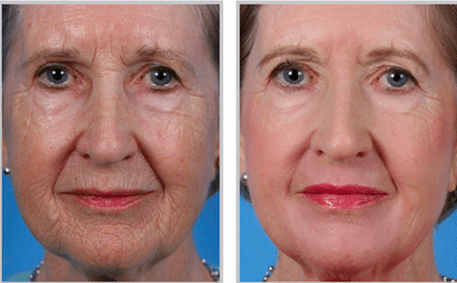
The quality of your skin changes dramatically over the course of life. When you’re young, your skin is smooth, firm, and plump. As you age, it thins, loosens, and sags. Over time, your skin may begin to show wrinkles, fine lines, and sagginess that make you appear older. Many men and women alike who experience these changes in skin quality could look years younger if they knew what technology is available today. One of the best tools for skin tightening is the Sciton® Laser, which can reverse the problems of loose, thin, and sagging skin. With the expert hand of Dr. Robert Wald at The Aesthetic Institute, the Sciton® Laser can rejuvenate your skin and refresh your appearance.
How Does Your Skin Age?
As you age, your skin quality changes and eventually begins to sag, loosen, and thin out. The main reason your skin ages in this way is because your body slows its production of collagen. Collagen is a fibrous, structural protein, and it is a major component of your skin’s connective tissue. This protein gives your cells structure and strength. Some of its primary roles include strengthening your skin tissue and keeping your skin elastic. Thus, when collagen begins to deplete, it’s no longer around to keep your skin healthy, strong, and elastic. This is why skin thins, loosens, and sags over time.
Reversing the Process
Collagen production slows and weakens at different rates for different people. If you look at someone who is around your age or older and think that they look younger than you, perhaps the process of collagen breakdown is occurring at a faster rate for you. But with the help of cutting-edge technology, you can reverse this process. Board-certified plastic surgeon Dr. Robert Wald uses the newest technology in the Sciton® Laser to rejuvenate skin quality and restore firmness to the skin.
The Sciton® Laser
The Sciton® Laser sends infrared heat energy deep into the skin to trigger the collagen fibers to contract. With Dr. Wald’s controlled application of these heat waves, the existing collagen strengthens, new collagen forms, and loose tissues start to become firm. The natural process of collagen production begins to work more effectively once again, and the results continue to improve over several months. Due to sapphire contact cooling, no surface tissue is harmed during treatment.
- Quick treatment (15 to 30 minutes)
- No downtime with little to no recovery period
- Surface skin is protected while deep skin tissue is treated
- Safe and effective for all skin tones and types
- Can treat multiple areas on the face and body
Skin tightening with the Sciton® Laser effectively leads to firmer, more youthful skin. To see how this cutting-edge technology can improve your skin and help you look and feel younger, call (714) 738-4282 or contact us online to schedule your consultation with Dr. Wald today.





 Skin cancer is the most commonly occurring cancer, affecting more people in America than breast, prostate, lung, and colon cancers combined. While each patient is unique, there is currently a 93 percent survival rate for skin cancer, which is one of the highest survival rates of any cancer. This is due to a number of factors, the most important being early detection.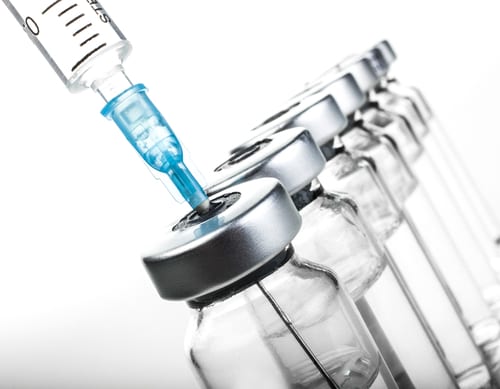

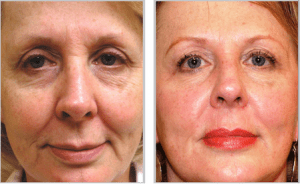 Many resurfacing procedures use a full-field technique, which means they target a full section of skin. Full-field laser treatments remove an entire layer of skin so that the body can replace it with new, healthy skin. However, this treatment is more aggressive and requires more downtime than fractional resurfacing. Fractional resurfacing removes only pinpointed columns of skin rather than the entire layer, and it leaves the surrounding skin tissue intact. With only small amounts of damaged skin tissue being destroyed, it is easier for the body to heal rapidly from the treatment. Fractional resurfacing technology also allows Dr. Wald to control the coagulation depth and ablation for lighter or deeper treatment options. The
 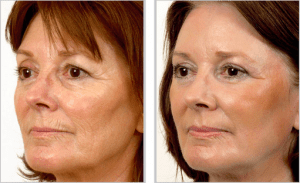 The quality of your skin changes dramatically over the course of life. When you’re young, your skin is smooth, firm, and plump. As you age, it thins, loosens, and sags. Over time, your skin may begin to show wrinkles, fine lines, and sagginess that make you appear older. Many men and women alike who experience these changes in skin quality could look years younger if they knew what technology is available today. One of the best tools for skin tightening is the Sciton® Laser, which can reverse the problems of loose, thin, and sagging skin. With the expert hand of Dr. Robert Wald at