Blog
Posted on: March 4th, 2016
Treatment For Aging, Sagging Skin, And Wrinkles Of The Face
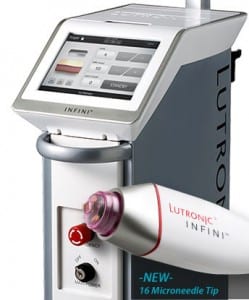 Patients generally receive laser treatments during the Fall or Winter seasons in order to avoid the sun. Now, the Infini laser provides patients with the luxury of receiving nonsurgical facelifts all year round. Other lasers can’t effectively treat darker skin pigmentation, whereas the Infini device is safe for all skin types. The Infini laser reverses the aging process by removing wrinkles and lifting/tightening the skin.
What is the Infini Laser?
The Infini is a microneedling, fractional radiofrequency device that targets coagulation zones within specific layers of the dermis. The Infini is a high intensity laser that adds heat only at the distil tip. Dr. Wald can manipulate the laser by specifically adjusting the needles depth to match the desire of each individual patient.
What type of results can I expect?
Within three days to one week Post-Treatment patients notice a brighter skin tone and significant reduction in oily secretion, for those with oily skin types. One month after treatment patients see improvement of fine wrinkles and skin laxity. There is continuous improvement of fine wrinkles, pore sizes, scars, and skin laxity up to three months after treatment. The Infini laser removes wrinkles, sagging, acne scars, and reverses the aging process.

Recovery and Downtime using Infini Laser
The technology of the laser provides maximum comfort with little downtime. Holes from the treatment will be completely closed within just two hours after treatment. Some patients may experience some bruising, but makeup can be applied the following day.
If you are considering a non-surgerical facelift using the Infini laser, schedule your consultation with Dr. Wald today. Contact our office at (714) 312-3549, or fill out our online contact form here for additional information.
Posted on: March 3rd, 2016
Whether you are considering breast reconstruction following your mastectomy or would like reconstruction performed at the same time as your mastectomy, your consultation is very important. Breast reconstruction techniques vary depending on the extent of your mastectomy and your natural physique. Personal preference, recovery, and postoperative effects can also sway you away from some techniques. While not every woman qualifies for every technique, Dr. Wald will provide you with detailed options that can help you achieve the breasts you desire.
Tissue Expanders With Implants
Using tissue expanders with implants is one of the least invasive breast reconstruction techniques. An empty tissue expander is placed in the breast pocket following your mastectomy. Over a period of months, the expander is gradually filled with more and more saline, effectively stretching the breast tissue to make room for an implant. During a final surgery, the expander is removed and replaced with a permanent implant.
Benefits
- Doesn’t require transplanting harvested tissue
- Shorter recovery period
- Less invasive surgery
- Control over the size and shape of the breasts using implants
|
Disadvantages
- Not ideal for women with thin breast tissue
- May cause tissue loss in women who have undergone radiation treatment
- Risk of the breast capsule constricting
|
Latissimus Dorsi Flap
The latissimus dorsi flap uses tissue harvested from the patient to recreate the breast mound. Skin, fat, and muscle are removed from a selected portion of the back, often along the bra band area, to hide scarring. The tissues are then transferred to the breast mound. In some cases, a free flap may be used, where the tissue is attached to a new blood supply at the breasts. In other cases, the tissues may remain attached to the original blood supply. Smaller breasts may be formed from just the transplanted tissue, or implants can be used to increase the size and improve the shape of the breasts.
Benefits
- Reliable procedure
- Provides adequate tissue coverage for the implant
- Low risk of the breast capsule constricting
|
Disadvantages
- Visible scarring on the back
- Loss of strength in the back where muscles were removed
- Possible circulation problems with transferred tissue
|
TRAM Flap
The TRAM flap also uses patient-harvested tissue to create the breast mound. However, this technique uses tissue harvested from the abdominal region. One of your rectus muscles along with skin and fat are tunneled under the skin to the breast mound. A new breast is created, and, in most cases, the provided tissue is adequate so that an implant isn’t required. A synthetic mesh is used to strengthen the abdominal wall to prevent complications.
Benefits
- Natural-looking breast results
- Patients receive a minor tummy tuck in the process
- No risk of the breast capsule constricting
- Scars can be hidden beneath clothing
|
Disadvantages
- Weakness of the abdominal wall
- Possible hernia formation
- Poor circulation can cause tissue loss
|
Nipple Reconstruction
Nipple reconstruction is usually the final step of breast reconstruction and helps provide a natural breast appearance. Tissue is taken from the upper thigh or behind the ear, areas which are typically darker pigmented to provide contrast. The tissue is shaped to appear like a nipple and then placed. To achieve more realistic coloring, many patients have the nipple and areola tattooed following their reconstruction.
If you are considering breast reconstruction, schedule your consultation with Dr. Wald today. Contact our office at (714) 312-3549, or fill out our online contact form here for additional information.
Posted on: February 9th, 2016
Although having children is often a joyous experience for women, the changes pregnancy can do to the body can leave many women unsatisfied with their physique. Among these changes are loose, hanging skin on the stomach and weak abdominal muscles, which may be impossible to correct even with diet and exercise.
The irreversible changes to the body post-childbirth are the main reasons many women opt for surgical enhancements, such as tummy tuck surgery (abdominoplasty), to flatten the abdomen and tighten the abdominal muscles.
Tummy Tuck Surgery and Pregnancy
Abdominoplasty involves excision to remove excess fat and skin that are resistant to exercise and a healthy diet regimen. Tummy tuck surgery can treat fat deposits on the hips and upper and lower abdomen, and this procedure results in a flatter, better-contoured abdomen.
Even though this is a great option after a body-altering experience such as childbirth, many tummy tuck surgery patients wonder if they can have more children after undergoing a tummy tuck procedure. The answer to that question is yes, but it is not recommended to undergo a tummy tuck until you have finished having children.
Undergoing tummy tuck surgery and then later giving birth to a child will reverse the original results from the procedure. Additional pregnancies post-abdominoplasty will cause the skin to stretch out again and the abdominal muscles to loosen back up. Therefore, it is highly recommended that patients wait until they are have finished having children before deciding to have a tummy tuck performed.
Who Is a Good Candidate for Tummy Tuck Surgery?
The best candidate for tummy tuck surgery is a woman who has already experienced childbirth and does not plan on having any more children in the future. It is also important for the tummy tuck patient to be in good health, have realistic expectations, and have already tried diet and exercise to achieve their desired appearance without success.
To learn more about tummy tuck surgery and if you are a good candidate, schedule your consultation with Dr. Wald by calling (714) 312-3549 or filling out our online contact form.
Posted on: January 9th, 2016
For many women, their breast augmentation is an investment. Even though you may be overjoyed at the news of your pregnancy, you might be feeling some slight trepidation. Perhaps babies weren’t on your radar when you underwent breast augmentation, or maybe you were pretty sure that you were finished having children. But now, faced with the most body-altering experience in a woman’s life, you may be worried that your original investment was all for not. Here is the truth about what will happen to your breast implants during and after pregnancy.
Your Breast Implants Are Fine
Some women fear that the pressure caused by enlarged milk glands may affect the integrity of their implants. This most likely won’t happen. Your breasts will grow larger, but the pressure won’t cause your implants to rupture or change shape.
Your Breast Tissue May Change
While your implants are fine, the surrounding breast tissue may change. When the breasts enlarge during pregnancy and then shrink following nursing, your breast tissue can become weak. It is common for women to experience breast sagging following pregnancy. In some cases, your breasts can become misshapen. A number of factors will determine whether this will occur, including your skin elasticity, change in breast size during pregnancy, and environmental factors. It is impossible to predict exactly how pregnancy will affect your breast tissue.
If you do experience tissue sagging following pregnancy, you might want to consider a breast lift. Breast lift surgery removes excess breast skin and tightens the remains tissue. While the procedure is more intricate for patients who already have implants, it can restore the youthful appearance of their breasts. If your breast implants need to be replaced, you can combine a breast lift with your implant exchange procedure.
Implants and Breastfeeding
It is impossible to predict whether your implants will affect your ability to breastfeed. It isn’t a common complication, but problems can occur for some women. The amount of natural glandular tissue you have prior to your breast augmentation may be a predictor of whether your milk glands will produce enough milk for lactation. Also, if your incisions caused a loss of nipple sensation, you might experience difficulties nursing. It is important not to become discouraged and to try to breastfeed multiple times following birth. Some women naturally have issues with nursing, and practice can help.
If you are considering a breast augmentation or require a breast lift following pregnancy, schedule your consultation with Dr. Wald today. Contact our office at (714) 312-3549 or fill out our online contact form here for additional information.
Posted on: November 13th, 2015
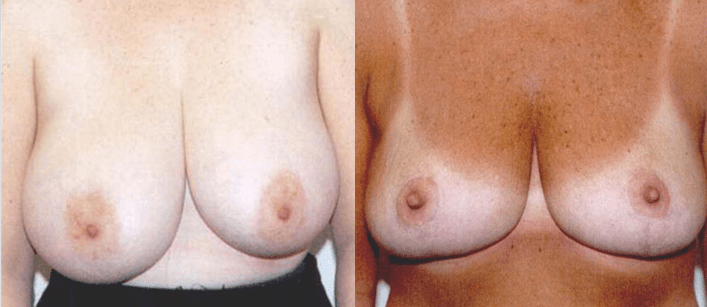
Some women are self-conscious about the projection of their nipples or the large size of their areolas. While these features are often genetic, they can also result from pregnancy, fluctuating weight, or aging. Many of Dr. Wald’s patients choose to have nipple or areola reduction in conjunction with another breast procedure, such as a breast lift, to get the final breast result they desire.
To what extent can my areolas be reduced?
In some cases where the areola (the pigmented skin around the nipple) needs to be reduced significantly, a full breast lift is required with an areola reduction. A breast lift requires a “lollipop” incision, which will follow the line of pigmentation around the areola and extend down the center of the breast from the bottom of the areola to the breast crease.
Another option for areola reduction is a donut incision around the areola, also called “circumareolar mastopexy.” This procedure only removes the excess skin of the areola, which can be an advantage for some depending on how much excess areola skin and breast skin is present. The main advantages of this technique over a full breast lift are less scarring and less interference with breast tissue; however, there is a greater likelihood of the areola stretching out again. “Skin bunching” is another risk with this option since the skin around the areola gets thicker the farther away it is from the areola. When a large areola is reduced and no surrounding breast skin is removed along with it, a bunched appearance can result along the incision. Removing too much of a large areola can also result in tension along the incision line that may lead to other problems. During your consultation, Dr. Wald will evaluate your breasts to determine the maximum amount of skin that can be removed. He can perform this technique using only local anesthesia unless you require additional procedures.
What is involved with reducing nipple projection?
A nipple reduction can reduce the height and width of the nipple. This procedure is also done under local anesthesia unless combined with other procedures. The “sleeve” technique will leave the core of the nipple intact, which will preserve sensation and avoid interfering with milk ducts. Sensation loss is still a risk with the procedure, but it is far less likely to occur at the hands of a board-certified and experienced plastic surgeon like Dr. Robert Wald.
If you would like to learn more about nipple or areola reduction, please schedule a consultation with Dr. Robert Wald. Dr. Wald is board certified in plastic surgery and has years of experience performing breast surgery, including nipple reduction. He will help you to weigh the risks and benefits of the procedure according to your physical anatomy and the results you desire. Please call (714) 312-3549 to schedule your appointment, or fill out our online contact form for more information.





 Patients generally receive laser treatments during the Fall or Winter seasons in order to avoid the sun. Now, the Infini laser provides patients with the luxury of receiving nonsurgical facelifts all year round. Other lasers can’t effectively treat darker skin pigmentation, whereas the Infini device is safe for all skin types. The Infini laser reverses the aging process by removing wrinkles and lifting/tightening the skin.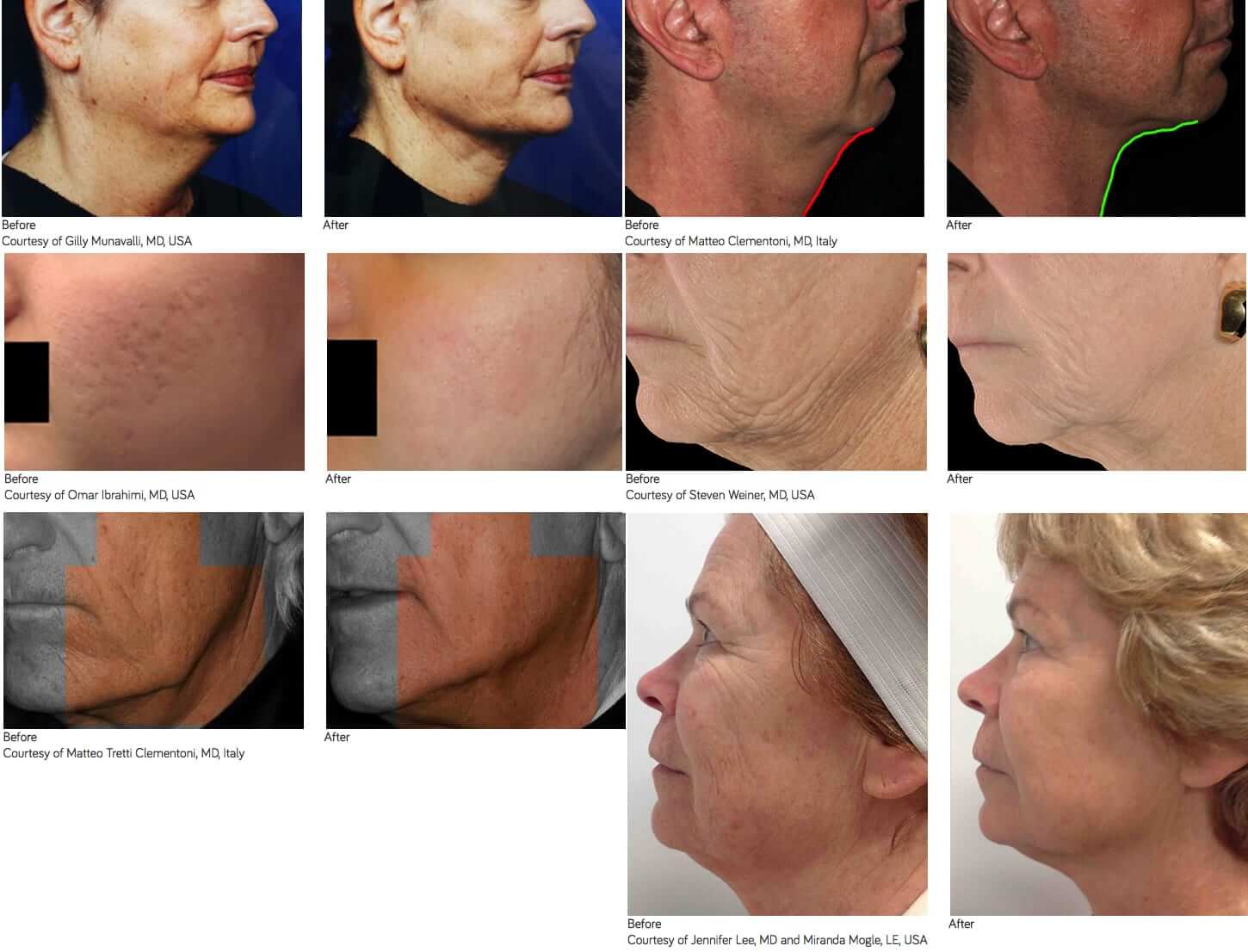
 Whether you are considering
 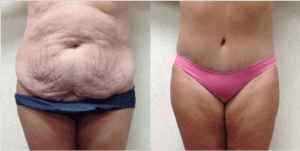 Abdominoplasty involves excision to remove excess fat and skin that are resistant to exercise and a healthy diet regimen. Tummy tuck surgery can treat fat deposits on the hips and upper and lower abdomen, and this procedure results in a flatter, better-contoured abdomen.