


Robert M. Wald, Jr., MD - The Aesthetic Institute
Contact Us : (714) 312-3549

Orange County | Fullerton, CA

« Back to Blog

How to Talk to Your Teen About Plastic Surgery

5 Minute Read: 

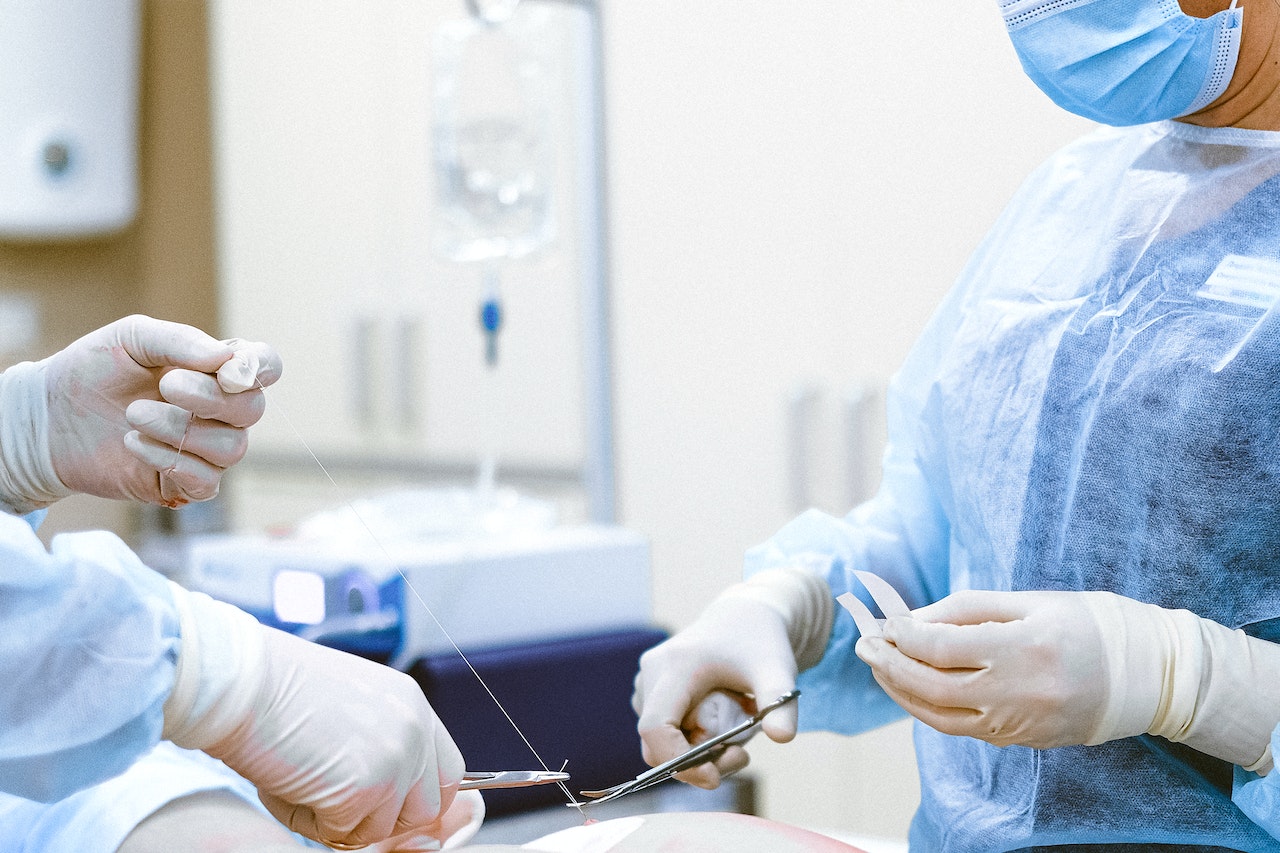
Two doctors performing surgery.

We live in a day and age where so much importance is put on how someone looks. There is enormous pressure on people to look perfect all the time. This is even more heightened by the influence social media has today. People, especially celebrities, post pictures and videos that are photoshopped and filtered and sell false images to their followers. This has a massive impact on young impressionable teenagers, bringing the topic of plastic surgery to the forefront. Today plastic surgery has never been more affordable and available, putting parents worldwide in a complicated position. More and more teens today are trying to convince their parents to allow them to get work done. And it can be tough to figure out how to talk to your teen about plastic surgery. So we decided to give you some tips to make it easier.

Don’t Shut Them Down Right Away

If your child approaches you with a question about having plastic surgery, don’t shut it down immediately, even if it scares you. This is a shock to most parents, as there is a bit of a stigma around plastic surgery, and they are firmly against it most of the time. But you can’t take such an aggressive attitude with your teens. It will only have the opposite effect and make them want it more. Be open to having a conversation about this with them, and be respectful. Your teens will appreciate being treated like this and will be more likely to listen to your feedback even if you disagree with them. If you are very strongly against plastic surgery, don’t tell them that they can’t do it. Instead, tell them they should wait a little longer and not rush a big decision like this.

Woman talking to a teenage boy.

Try to find out why your teen wants plastic surgery.

Find Out Why They Want the Surgery

In situations like this, it’s essential to know why your teen wants plastic surgery. You want to avoid your child wanting to permanently alter something on their body just to please someone else. As we said, teens are under a lot of pressure to always look perfect. The toxic culture in high schools can amplify this even more. Kids can be ruthless and bully others for their looks.

If you just moved into a new place and your teen comes home one day and says they want to have plastic surgery, chances are they were bullied in their new school. This is why experts at Bravo Moving advise thoroughly researching a neighborhood before you move there, especially schools. You want to make sure your kids will be in a safe environment. Try to explain to your teen that they should only consider surgery if it’s something they truly want, not because of somebody else’s opinion of how they look.
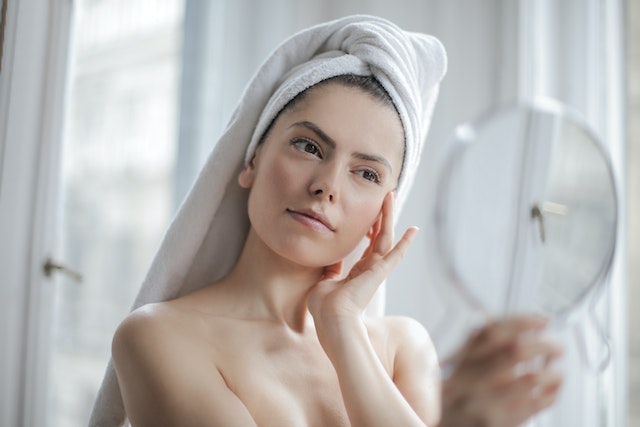
Girl looking at herself in a mirror.

Talk to your teen about plastic surgery and educate them on body image.

Talk About Body Image

Before you talk to your teen about plastic surgery, it’s crucial to have an open discussion about body image. You need to explain to your kids that the media sets unrealistic body standards and that they project a fake image. It’s crucial that your kids know this so they don’t feel bad about not looking like that. Explain that some “imperfections” on our bodies are completely natural and aren’t actually imperfections.

Talk to Your Kids About Plastic Surgery With an Open Mind

In some cases, you have to consider that plastic surgery may not be such a bad idea for your teen. This is why keeping an open mind is essential. Sometimes allowing your teen to have that surgery can be life-changing and positive. If your child wants the surgery because it would make them feel better and more comfortable in their body, then that’s a valid reason to consider allowing them to have it. It will all depend on the surgery because teenagers are still growing and developing, and not every plastic surgery is suitable for their age.

Doctor writing something.

Always consult with a medical professional.

Consult With a Professional

In this situation, consulting with a surgeon is a must. They know more about this topic than anyone else, and their feedback is priceless. Surgeons can explain all the surgery details and how that would change your teenager’s appearance. And more importantly, they will inform you about all the risks a surgery like this would carry. Let your child ask the surgeon all the questions they may have because they are probably a little unsure and confused themselves. Your teenager needs to hear this. Talking to a professional will give them a clear idea of what they are asking for.

Look for Help Online

If you still don’t know how to talk to your teen about plastic surgery, you should look for support online. You would be surprised how many blogs, podcasts, and even parent support groups exist where people discuss many parenting topics, including this one. You can read about other people’s experiences talking to their kids about this. People also post helpful tips and share things they wish they knew before talking to their teenagers about this. You can learn much from that and see that you are not the only one confused.

In Conclusion

When you talk to your teen about plastic surgery, you must be non-judgmental and understanding. Try not to look at plastic surgery as a negative thing right away because there are many pros there as well. Be open and honest when talking to them, and listen carefully to what they say. Try and figure out what makes them want to have the surgery and make sure it’s not all the wrong reasons, like bullying in school. Educate yourself and your teen about this topic and talk to a professional. And finally, don’t forget to ask other parents for advice online and in real life.

How to Combat the Stigma Around Plastic Surgery

6 Minute Read: 

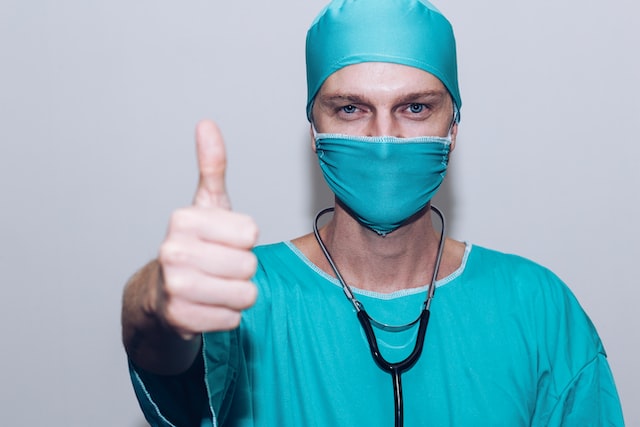
Doctor wearing scrubs and showing a thumbs up

As the world becomes increasingly focused on physical appearance, it’s no surprise that plastic surgery is becoming more and more popular. However, despite the growing trend, there is still a significant amount of stigma surrounding this type of procedure. From negative stereotypes about vanity to the fear of complications and the unknown, many people are hesitant to explore the idea of plastic surgery themselves. But it’s time to break down these barriers and understand the truth about plastic surgery and how it can benefit individuals. With the help of a renowned plastic surgeon, we did thorough research, and this article will explore some of the most common misconceptions and discuss how to combat the stigma around plastic surgery.

Understanding the stigma around plastic surgery: common misconceptions and myths

Even though plastic surgery is very common in today’s society, there is still an awful amount of stigma and prejudice surrounding it. Somehow, people seem to neglect all the benefits that plastic surgery can provide and that only rare patients end up with a plastic-surgery addiction.

Two men gossiping about a woman that's walking down the street and holding her hands over her face

Although plastic surgery has become very common, there is still a lot of stigma and prejudice around it.

However, there are still ways to combat the stigma around plastic surgery. But before we get to that, it’s essential to understand the biggest misconceptions about plastic surgery. Let’s find out what they are.

#1: Plastic surgery is only for the rich and famous

One of the most common misconceptions about plastic surgery is that it’s only for the rich and famous. In reality, anyone can choose to undergo plastic surgery, regardless of their financial situation. Many plastic surgeons offer financing options and payment plans to make the procedure more accessible to a broader range of people.

In addition, insurance may cover certain types of plastic surgery, such as breast reconstruction following a mastectomy. It’s important to note that plastic surgery is not just a luxury but can also serve as a necessary medical procedure to improve one’s quality of life.

#2: Plastic surgery is only for women

Another common misconception is that plastic surgery is only for women. The truth is that men also seek out plastic surgery procedures. In fact, according to the American Society of Plastic Surgeons, men accounted for 14% of all cosmetic procedures in 2020. Men may choose to undergo procedures such as liposuction, eyelid surgery, and facelifts to improve their appearance and boost their confidence. It’s important to note that plastic surgery is not a one-size-fits-all solution, and both men and women have the right to choose what makes them feel comfortable in their own skin.

#3: Plastic surgery is always invasive

Many believe plastic surgery is always invasive and requires a long recovery period. However, this is not always the case. Many non-invasive procedures, such as Botox, fillers, and laser treatments, can be performed. These procedures have minimal downtime, and patients can often return to normal activities immediately after the procedure.

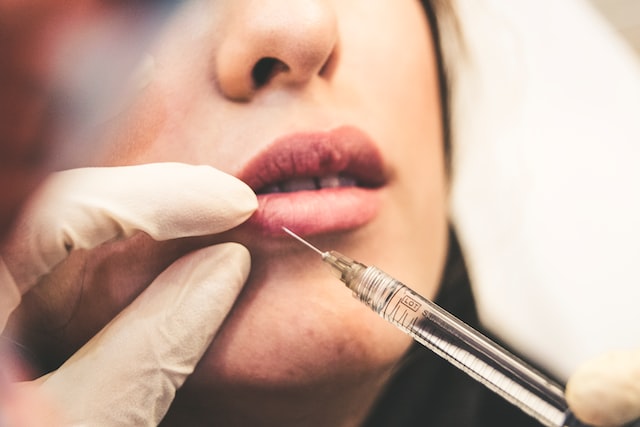
Person injecting a lip filler into a woman's lips

Plenty of non-invasive procedures will give you amazing results without any need for recovery or downtime.

Additionally, many invasive procedures can now be performed with minimal incisions and less discomfort, thanks to technological advancements. However, this doesn’t mean you shouldn’t take your recovery as seriously. For example, if you go through breast reduction surgery, you need to be mindful and not lift anything heavy for a while. Even if it’s an absolute must, the expert team from Zapt Movers advises hiring furniture movers. That way, you’ll avoid potential injuries and be able to focus on your recovery while pros do all the heavy lifting for you.

Ways to combat the stigma around plastic surgery

Plastic surgery is not just about vanity; it’s about improving one’s life. It’s time to break down the negative stereotypes and misconceptions that hold people back from exploring the benefits of plastic surgery. In this section, we’ll uncover ways to combat the stigma around plastic surgery that will, hopefully, help you make an informed decision and feel confident in your choice.

#1 Education and openness

One of the best ways to combat the stigma surrounding plastic surgery is through education and openness. Many people are hesitant to talk about plastic surgery because they fear being judged or misunderstood. However, by educating ourselves and others about the facts and benefits of plastic surgery, we can break down these barriers and open up a more accepting dialogue.

One way to do this is by sharing your personal experiences. If you have undergone plastic surgery, be open and honest about your decision and the positive results it has had on your life. Share your story and help others understand that plastic surgery is not something to be ashamed of.

Another way to promote education and openness is by encouraging others to do their research. Plastic surgery is a big decision, and it’s vital that individuals understand all the facts before making a decision. Encourage people to research different procedures, speak with a board-certified plastic surgeon, and understand the risks and benefits of each procedure.

#2 Showcasing the positive impact

Another way to combat the stigma surrounding plastic surgery is by showcasing the positive impact it can have on individuals. Many people who undergo plastic surgery do so to improve their self-confidence and self-esteem. They may have been self-conscious about a certain body part or feature, and plastic surgery has helped them to feel more comfortable in their own skin. By highlighting these positive stories and the emotional benefits of plastic surgery, we can help to change the way people perceive it.

#3 Changing the language

The language we use when talking about plastic surgery can also contribute to the stigma. Phrases like “going under the knife” or “fake and unnatural” can perpetuate negative stereotypes and make people feel ashamed for considering plastic surgery.

To combat this, we can change the language we use when talking about plastic surgery. Instead of “going under the knife,” we can say “undergoing a procedure.” Instead of “fake and unnatural,” we can say “enhancing or improving one’s appearance.” Using more positive and neutral language can change how people think and talk about plastic surgery.

#4 Debunking myths

Finally, another way to combat the stigma surrounding plastic surgery is by debunking myths and misconceptions. As mentioned earlier in the article, there are many misconceptions about plastic surgery, such as it is only for the rich and famous or that it’s always invasive.

Two women sitting at a table and talking about ways to combat the stigma around plastic surgery

One of the best ways to combat the stigma around plastic surgery is to talk openly about it.

By providing accurate information and dispelling these myths, we can help to change the way people perceive plastic surgery. We can also help people understand that plastic surgery is not something to be feared or ashamed of but rather a personal decision that can positively impact one’s life.

Wrapping up

Plastic surgery is a personal decision that should be made after careful consideration and research. Whether it’s a Mommy Makeover surgery, liposuction, or just a few shots of BOTOX® Cosmetic, everyone has the right to do whatever they want with their bodies. It’s not a luxury but can also serve as a necessary medical procedure to improve one’s quality of life. By finding ways to combat the stigma around plastic surgery, we can help break down these barriers and create a more accepting attitude towards these procedures.

Most Common Signs of Plastic Surgery Addiction

5 Minute Read: 

 two surgeons working

There are a couple of ways a person can increase their confidence. One is through plastic surgery. But to some people, this doesn’t have a large, positive effect. People suffering from plastic surgery addiction can become very obsessed. So much so that they go into debt for it. That’s why acknowledging that this type of addiction exists is crucial. Once a person can admit to being addicted, it can be much easier to help them. If you or someone you know is experiencing the following symptoms, it may be time to see an addiction recovery expert. 

Plastic surgery addiction can mean having many consecutive surgeries 

Plastic surgery has many benefits. It can change lives. But too much of it can be bad. If a person has a lot of consecutive plastic surgeries, it can be a sign of addiction. These decisions are usually impulsive and not thought through. After plastic surgery is done, the patient should take some time to rest. A person who finishes one procedure and starts immediately thinking of the next one could be addicted to plastic surgery.

Furthermore, this addiction may include visiting several plastic surgeons for consultations or actual procedures. People addicted to plastic surgery may have unrealistic expectations and demands. Because of this, they will continue to see a number of different surgeons. They’ll do this until they find someone they think will make their dreams come true. 

Never being satisfied with their looks 

With plastic surgery, you can make your self-esteem rise. You can feel great once you see the final results of your surgery. In some cases, a person has successful plastic surgery but is still unsatisfied with their looks. This can be a symptom of plastic surgery addiction. Anyone can have days when they don’t feel confident. But when this feeling of dissatisfaction is constant, it can be dangerous. Another way this symptom can show is by constantly comparing themselves to others. A person with this addiction can compare themselves to others a lot. They may obsess over the way they look. People like these may not even notice their qualities. This is because they are obsessed with their flaws. This symptom can commonly be mistaken for someone being insecure. However, it can be a massive symptom of plastic surgery addiction. 

a woman sitting and looking stressed

Obsessing over plastic surgeries and the way others perceive you is a symptom of an addiction to plastic surgery

Obsessing over plastic surgeries 

There are a couple of easily noticeable symptoms of an addiction to plastic surgery. If a person constantly researches plastic surgery to the point of obsession, it can be a symptom of an addiction. A person addicted to plastic surgery may spend time endlessly exploring new procedures. Whenever a new procedure is discovered, they may get excited. They’ll get excited about the new opportunity to do surgery. They will consider doing it, whether the final result suits them. This can lead to an awful final result. And it still won’t satisfy the person. Experts in addiction treatment from harmonyridgerecovery.com advise people going through addiction treatment to focus on building their confidence. If a person can’t seem to take a break from researching plastic surgeries, there is a chance they are suffering from an addiction. 

Going into debt for plastic surgery 

One of the symptoms addictions have in common is going into debt because of them. The price of plastic surgery can vary. It varies depending on a lot of different factors. But a person addicted to plastic surgery will pay the fee no matter how big it is. This is true even if the cost of plastic surgery puts a person into debt. A person addicted to plastic surgery may not have a solid financial plan. Their primary focus would be paying for the surgery. This can lead to a problematic situation. It can lead to a person not having enough money to support themselves. They can experience a lot of stress along with their addiction problem. 

a close-up of surgical scissors

A symptom can be comparing yourself to others too much

Addiction treatment for plastic surgery addiction 

Many people don’t even consider plastic surgery to be something you can get addicted to. It’s true that it is not a common type of addiction. But it is still just as dangerous as any other type. And just like with any other addiction, there is a way out. It may take some effort and a little time. But it is still very much a possibility. With the right support system, overcoming addiction is possible. A person can overcome their addiction and become happy about their looks after a while. This entire process may take a while. But the important thing is that it is a possibility. In the end, a person trying to overcome their addiction will be grateful they took this major step in the right direction. 

Loving yourself after addiction treatment 

Asking for help when you realize you have a problem is a significant step. And it’s a step in the right direction. However, this process can still get tricky. It can be challenging even if you put your most considerable effort into it what’s just as crucial as addiction treatment is learning to love yourself. Especially once the process is over, this will help you stay on track with your process. There is a number of easy ways to practice self-love which will help you on this journey. Starting a new hobby and making plans for the future are just some of them. Doing things like these will help you stay on track. And they’ll help improve your confidence. In the end, little steps like these will help you reach the final goal of being confident and loving yourself. 

friends being there for each other

A good support system can help a lot when battling plastic surgery addiction

The bottom line 

Plastic surgery can change people’s lives for the better. They can feel more confident and more independent. But when someone suffers from plastic surgery addiction, the story is different. A person like this can go through more plastic surgeries than needed. Now, they’ll create a negative effect instead of a positive one. All the efforts will go to waste when a person keeps doing more surgery instead of stopping once good results are achieved. Ultimately, it’s essential to know that plastic surgery addiction is curable. All it takes is effort and a desire to feel good in your body.  

6 Lifestyle Choices That Are Making You Age Faster

6 Minute Read:

A woman looking in the mirror.

The way we choose to lead our lives has a significant impact on our overall health. Our health may either improve or worsen depending on several things, including the foods we consume, the amount of activity we get, and other lifestyle choices. Therefore, we must pay a closer look at our daily routines.

Today, we are here to discuss the most common lifestyle choices that are making you age faster. If you spot any of your own daily routines, this is your call to make some important decisions.

Common Lifestyle Choices That Are Making You Age Faster

As time passes, our bodies innately break down and show signs of age. This is a natural process that cannot be stopped, but a number of different means may accelerate it. Here are some of the most common lifestyle choices that are making your age faster.

1. Smoking and heavy alcohol consumption

Smoking is detrimental to health and adds years to your appearance, which is common knowledge. It has the potential to significantly impair health and cause apparent indications of aging. It prevents new skin cells from forming, contributing to a premature aging appearance. However, if you have been a seasoned smoker for quite a while and your skin is not looking great, you can try some minimally invasive techniques to refresh your skin. Along with quitting smoking, of course.

A woman holding a cigarette.

Smoking is detrimental to both your health and your appearance.

You should avoid alcohol as well. Moderate alcohol consumption may not be as harmful as heavy consumption. But when one consumes alcohol regularly, it might hasten the aging process since it impairs the body’s ability to maintain healthy organs. The skin’s aging process is sped up by alcohol as well.

2. Caffeine addiction

Drinking tea or coffee has many positive effects on the human body. But drinking tea and coffee numerous times throughout the day harms our mental and physical well-being. Your skin and your teeth will suffer greatly as well. If you want to preserve your appearance, make sure to cut down on coffee if you can.

3. Staying up late

You may believe that you no longer need as much sleep as you once did as you age, but experts agree that you still need at least seven to eight hours to maintain good health. Not getting enough shut-eye might impair your ability to manage your daily tasks effectively. It may cause seniors to gain weight, which is another health risk. Furthermore, experts state that if you are a senior and have trouble sleeping despite getting to bed at the right time, you should see a doctor to rule out sleep problems like sleep apnea.

A man working long hours.

Staying up late and working third shifts has been proven to influence your appearance quite a lot.

Not getting enough sleep will also cause you to be more stressed out than usual the next day. It is also one of the leading lifestyle choices that are making you age faster. The presence of constant stress has also been linked to premature aging. Researchers have shown that high levels of the stress hormone cortisol are associated with a wide range of negative health outcomes, including but not limited to cardiovascular disease, hypertension, depression, loss of sexual desire, and impotence. Therefore it should come as no great surprise that stress may wreak havoc on the skin, significantly diminishing collagen over time.

4. A sedentary lifestyle combined with poor eating habits

The main reason why so many people have unhealthy bodies is that they lead a sedentary lifestyle. Problems with your skin might be made much worse by a lack of proper nutrition and exercise. If you want to live longer, make the decision to consume more fresh fruits, drinks, and nutritious snacks. Inadequate physical activity has been shown to cause permanent harm to human health. Lack of physical activity has been linked to various health problems, including type 2 diabetes, high cholesterol, obesity, cardiovascular disease, etc.

5. Using cheap and harsh cosmetics

High-quality soap, cleansing gels, and face creams may indeed be rather pricey. However, “that dime-a-dozen drugstore stuff” will have adverse effects over time. It will strip the skin of the required natural oils and leave behind a film of residue that will continue to screw with your complexion as the day goes on. Soaps that are at least half-decent should be used regularly, and you should use exfoliants routinely to exfoliate dead skin cells from the face. You should also be careful about what face creams you use.

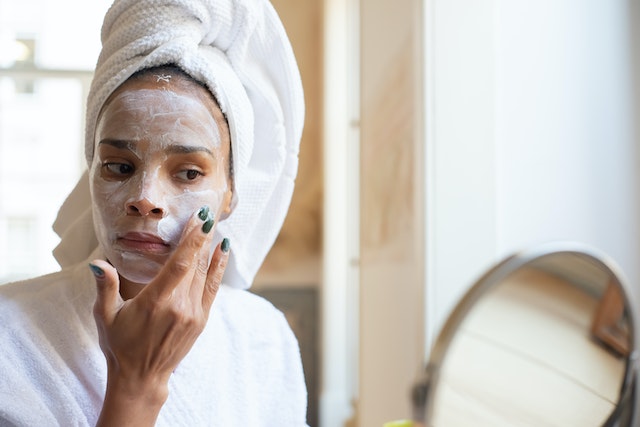
A woman putting on a face mask.

Using cheap and harsh chemicals on your face are one of the easiest lifestyle choices that are making you age faster to change.

6. Soaking up too much sun

Daily sun exposure causes the most severe and long-lasting effects, particularly for those who do not take precautions against sun damage and get skin cancer due to not using sunscreen. If you live in a very hot climate, you should try your best not to go out from 12 pm to 5 pm when the sun is the brightest. Statistics show that places like California and Florida have higher skin cancer rates. It’s not always possible to avoid sun exposure in areas like this. On top of that, Preferred Movers say that an increasing number of people are stating climate issues as the main reason for the move.

In fact, the sun’s rays are blamed for 90% of environmental skin aging, according to experts. The sun causes proteins in the skin to degrade, resulting in losing a youthful look over time. Prolonged exposure to UV rays might kill off skin stem cells, resulting in less supple skin and more prone to wrinkles. UVA rays might trigger collagen-degrading matrix metalloproteinases (MMPs) in the skin. Collagen is the skin’s primary structural protein. Scientists have indicated that avoiding excessive sun exposure or using broad-spectrum sunscreen may help prevent this form of skin aging. You should always wear sunglasses and a hat with a broad brim while out in the sun for an extended period of time.

Under no circumstances should you think about going on a solarium treatment just to get a few shades darker. This is one of the most bizarre lifestyle choices that are making you age faster. We say bizarre because, in the year 2022, it is so unnecessary. You can use so many sunscreens and body lotions to achieve the same effect without damaging your skin. Solarium treatments can cause all types of skin cancer, and they can seriously fasten your aging.

6 Ways Stress Can Affect Your Skin

6 Minute Read: 

a woman sitting at her desk, working while stressed

Stress has a more considerable effect on us than we realize. One of the ways it can manifest itself is through our skin. Wrinkles, acne breakouts, and dry skin are just some consequences of dealing with tension. Robert Wald MD explains how stress can affect your skin and how to manage its effects. 

What situations cause us the most stress?

We can experience stress in many different situations, mainly when significant life-changing events occur. Going through a divorce or moving long-distance are some of the most stressful events one can go through during their life. These events can affect our physical and mental health, including our skin. Knowing how to deal with these events and get through them as easily as possible is essential. Hiring professional movers for your long-distance move is one of the ways to make this process easier. This will help you tremendously, as pros can make it stress-free and leave you with much less to worry about. Professionals can also help you through challenging times such as divorce or losing a close friend. Always reach out for help when facing complex, life-changing events like these. 

  • Stress can aggravate pre-existing skin conditions

Stress can be hazardous, as it not only causes several health conditions but also worsens your existing conditions. The most common condition people face that is made worse by stress is eczema. Symptoms of eczema can be managed, but dealing with stress is an essential step toward that. Rosacea and psoriasis flare-ups can be triggered by stress as well. When battling these conditions, the first and most crucial step is stress-management.

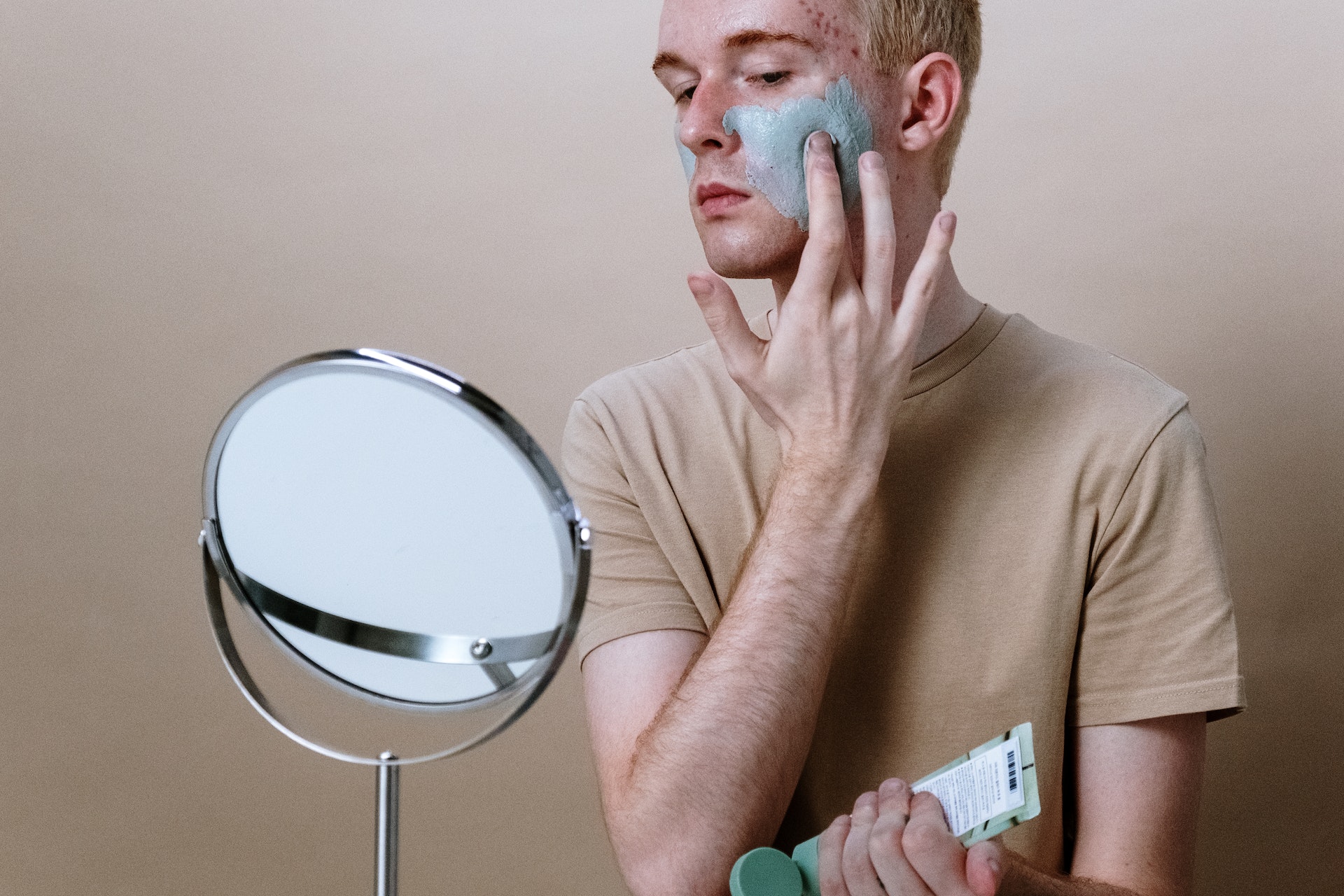
a man putting on face cream while looking in the mirror

One way stress can affect your skin is that it can cause your skin conditions to get worse. 


  • Stress can lead to skin picking

Feeling anxious and stressed can cause us to pick at our skin, leading to wounds and scars. Another habit that frequently follows stress is nail-biting. Nail-biting increases your chances of coming into contact with harmful bacteria and viruses. It also causes damage to your nails and can lead to severe conditions. Biting can also make your nails grow differently than they should. It’s common to bite your lips and grind your teeth when stressed out, too, and these all are terrible habits. Grinding your teeth can have severe effects on your teeth. So, try to remind yourself as often as possible to relax your jaw to prevent this from happening. 

  • Acne breakouts are one of the most common ways stress can affect your skin

You’ve probably noticed having more acne when you’re feeling stressed out, such as when moving or changing jobs. Stress has a significant effect on our hormones and, therefore, on acne. It affects our oil glands, making them produce more oil, which leads to breakouts. You will likely notice more acne on the oiliest parts of your face. Consult with your dermatologist to create the perfect, personalized skincare routine for when you experience stress-related acne breakouts, and do whatever you can to minimize stress. If your anxiety is moving-related, experts from Mod Movers CA advise you to ask for help. You can enlist your friends and family to assist with moving tasks or listen to you while you vent. 

stress can affect your skin much worse without using skincare products

A good skincare routine can minimize the effects of stress on your skin


  • Stress can lead to dry skin

Dry skin is another common issue you might experience when feeling stressed out. This is one of the most common signs of stress we may overlook because we think it’s just how our skin is. We even assume we are using the wrong products for our skin type. Even though this can be true sometimes, it’s best to talk with your dermatologist when you notice dry skin patches. You might even see your skin is inflamed and itchy too. These can all be signs that you are under too much stress and pressure. 

  • How stress can affect your hair

One of the most noticeable changes in our skin we can experience during stressful times is hair loss. This is a common effect that stress can have on people. Hair loss can indicate an underlying medical condition, but it can also signify high stress levels. This doesn’t mean it’s permanent. There is a high chance of your hair growing back if hair loss is caused by stress. Another common way stress can affect your hair is by causing it to go grey. This type of stress manifestation can take some time to show. It won’t occur overnight, but when it does, it’s a sign you’ve been under stress for too long. 

  • Ways stress can affect the skin on your face

When stressed, our bodies produce the hormone cortisol much more quickly. More stress means more cortisol, which means more noticeable skin issues. Being stressed and anxious can cause your skin to wrinkle much faster, and this can cause us to look older than we are. Bags under the eyes don’t mean just a lack of sleep. They are also a sign of stress. Don’t worry – they can be managed and reduced through a good sleep regimen and a healthy diet. 

two women putting on facial cream

Have a daily skincare routine to help with these problems

How to ease the stress

The most crucial step is to take good care of your skin. This means taking regular showers, doing your skin routine every day, and using high-quality products. There are also many easy ways to manage stress and prevent these effects on your skin. Start with your diet. Eating healthy meals regularly and avoiding junk food can go a long way. 

After this, implement a good exercise regimen. Doing simple meditation or yoga after waking up will help you cope with stress much better. On that note, regular exercise is good for stress management too. It’s not just good for your health but is also an excellent stress-relief option. 

Finally, keep a journal or talk with someone about the things that cause you stress. Remember to do something you love every day, whether it’s a hobby, watching your favorite TV show, or just taking a relaxing bath. Treat yourself from time to time and go to a wellness center for a massage or to enjoy the spa. And don’t forget to sleep for at least eight hours a day. 

he word stress written in red colored pencil on a white piece of paper

Most of the effects of stress are temporary or reversible.

In conclusion

Most of the ways stress can affect your skin are reversible or temporary. Making simple changes to your lifestyle and how you deal with stressful situations can minimize them. Stress is one of the most dangerous things we face daily, and it doesn’t just have negative consequences on our skin but our health as well. So think of effective ways to cope with stress.  

Dr. Wald Looks forward to
helping you reach your
cosmetic goals.
Schedule a consultation


Robert Wald, MD
100 E. Valencia Mesa Drive, Suite 300
Fullerton, CA 92835


Phone: 714-312-3549
Fax: 714-738-1862

Get To Know Dr. Wald
Free Consultation Limited Time Offer!