


Robert M. Wald, Jr., MD - The Aesthetic Institute
Contact Us : (714) 312-3549

Orange County | Fullerton, CA

« Back to Blog

6 Reasons That Can Disqualify You From Getting Plastic Surgery

5 Minute Read: 

Surgeons operating.

Plastic surgery has gained immense popularity, but there are several factors that can disqualify individuals. Unrealistic expectations, psychological considerations, medical conditions, inadequate finances, poor physical health, and lack of commitment to aftercare are all crucial factors to consider. Having realistic expectations is essential, as unrealistic ones can lead to disappointment. Psychological evaluations are necessary to ensure mental well-being. Medical conditions and associated risks can disqualify individuals from undergoing such a complicated procedure. In fact, financial stability is crucial due to the high cost of procedures. Good physical health is required for safe surgery. Commitment to post-operative care is vital for successful outcomes. It is important to thoroughly evaluate these factors before deciding on plastic surgery and consult with a qualified plastic surgeon.

Reason 1: Unrealistic Expectations

Unrealistic expectations can disqualify individuals from getting plastic surgery. Having realistic expectations is crucial, as expecting drastic and unattainable results can lead to dissatisfaction. It’s important to understand the limitations and have reasonable goals. Unrealistic expectations may include wanting to look like a celebrity or completely altering one’s appearance. Such expectations can result in disappointment and regret. Surgeons assess patients’ expectations during consultations to ensure they align with what can be achieved. Open and honest communication between surgeons and patients is vital to manage expectations and ensure patients clearly understand the potential outcomes.

Reason 2: Mental Health May Stop You From Getting Plastic Surgery

Psychological considerations play a significant role in determining eligibility for plastic surgery. Mental health is essential for successful outcomes. Individuals with underlying psychological conditions such as body dysmorphic disorder or unrealistic self-perception may be disqualified. A thorough psychological evaluation before surgery helps identify red flags and ensures patients are emotionally prepared. Plastic surgeons prioritize the well-being of their patients and want to ensure that they have realistic expectations and a healthy mindset.

Additionally, individuals with untreated mental health issues may be at a higher risk of post-surgical complications and dissatisfaction. Surgeons may recommend therapy or counseling to address underlying psychological concerns before proceeding with plastic surgery. By addressing these considerations, surgeons can enhance patient safety and improve overall satisfaction with the results.

Words "mental health" written on a laptop screen.

Getting plastic surgery will depend on your mental health.

Reason 3: Medical Conditions and Risks

Medical conditions and associated risks can disqualify individuals from undergoing plastic surgery. Considering one’s overall health before proceeding with any surgical procedure is important. Certain medical conditions, such as uncontrolled diabetes or cardiovascular issues, can increase the risks of complications during surgery. Surgeons prioritize patient safety and may require medical clearance from a primary care physician to ensure the individual is physically fit for the procedure. Additionally, factors such as smoking, obesity, or a compromised immune system can impact surgical outcomes. Understanding and disclosing medical conditions is crucial to determine candidacy for plastic surgery and mitigating potential risks. By evaluating these factors, surgeons can make informed decisions and provide the best care possible for their patients.

Reason 4: Insufficient Financial Resources

Insufficient financial resources can be a disqualifying factor for individuals seeking plastic surgery. It’s important to consider the cost associated with these procedures, including surgeon’s fees, facility expenses, anesthesia, and post-operative care. Plastic procedures can be a significant investment, and individuals must have the means to afford them. Lack of financial stability may compromise the quality of care or the decision to postpone or forego the procedure altogether. However, it’s worth noting that there are options available for financing plastic surgery, such as healthcare loans or payment plans offered by some clinics. It’s crucial to explore these options and clearly understand the financial commitment required before moving forward. Ultimately, considering one’s financial situation is an essential aspect of the decision-making process when it comes to plastic surgery.

Person holding a dollar bill.

These procedures can be pricey, so you need to make sure you have sufficient funds.

Reason 5: Inadequate Physical Health

Inadequate physical health can disqualify individuals from undergoing plastic surgery. Being in good physical health is crucial for a safe surgical experience and optimal results. Certain medical conditions, such as uncontrolled high blood pressure or a weakened immune system, can increase the risks of complications during and after the procedure. Surgeons typically conduct pre-operative physical assessments to evaluate the patient’s overall health and assess their readiness for such a procedure. Factors like smoking, obesity, or certain medications may also impact eligibility. Prioritizing physical well-being and addressing health concerns before considering plastic surgery is essential. Surgeons can enhance patient safety and improve the overall surgical outcome by ensuring adequate physical health.

Reason 6: Lack of Conditions for Proper Aftercare.

Lack of commitment to aftercare can disqualify individuals from getting plastic surgery. Proper post-operative care is crucial for successful recovery and optimal results. However, people living in inadequate conditions, such as mold-infested or cluttered homes, may struggle to create a clean and safe environment necessary for healing. Clutter can hinder mobility, and mold can increase the risk of infections impeding adherence to post-operative instructions. It’s important to create a sanitary and organized space that promotes healing and minimizes the risk of complications. Experts suggest considering professional storage solutions to store excess items during the recovery period temporarily. This allows for a clutter-free environment, reduces stress, and ensures a smoother healing process. By prioritizing post-operative care and creating a suitable recovery environment, individuals can optimize their plastic surgery outcomes and minimize the risk of complications.

Two surgeons operating.

You should consider all these factors before you commit to a procedure like this.

In Conclusion

In conclusion, several factors can disqualify individuals from getting plastic surgery. Unrealistic expectations, psychological considerations, medical conditions, financial constraints, inadequate physical health, and lack of commitment to aftercare are crucial aspects to evaluate. It’s important to have realistic expectations, prioritize mental and physical well-being, disclose medical conditions, consider financial resources, and commit to post-operative care. Thorough evaluations and consultations with qualified plastic surgeons are essential to make informed decisions. By considering these factors, individuals can ensure their safety, satisfaction, and overall success of their journey. It’s crucial to approach plastic surgery with careful consideration, seek professional advice, and be mindful of personal circumstances to achieve the desired results while prioritizing health and well-being.


Most Common Feelings and Emotions After Plastic Surgery

6 Minute Read: 

A woman smiling while looking at her phone.

The popularity of cosmetic procedures has skyrocketed in recent years, with more and more people seeking to enhance their appearance. However, beyond the physical transformation lies a complex journey. So, understanding common feelings and emotions after plastic surgery is crucial for anyone embarking on this path. We will delve into the depths of post-surgery emotions, uncovering the roller coaster of experiences individuals often face. So, prepare for a deep dive into the most common feelings following this type of surgery.

The Pre-Surgery Emotions

Firstly, this phase is a whirlwind of emotions. It’s a mix of excitement and anticipation as the surgery date approaches. There’s a hint of nervousness and fear that sneaks in, questioning the risks involved. And sometimes, we can’t help but set our expectations a little too high, hoping for a magical transformation. These emotions all blend, creating a powerful concoction that can overwhelm us. The excitement fills our hearts with dreams of a better appearance. Each day that brings us closer feels like a countdown to a new beginning. However, alongside that excitement, a tinge of anxiety creeps in. We start to worry about the unknown, about what could go wrong. Fear joins the mix, whispering doubts and questioning our decision.

Overall, it’s not easy to navigate through these feelings. Amid this emotional storm, we find ourselves questioning our choices, trying to strike a balance between hope and realism. The pre-surgery phase, with all its excitement, becomes a delicate dance of emotions. It’s okay to feel all these things—it’s a natural part of the journey. However, what’s important is to acknowledge and understand our emotions and seek support from loved ones and professionals. Working with experienced professionals can ease the feelings of stress during any life-changing process, not just plastic surgery. Relocation experts say that, from their experience, moving to a new place or starting a new job can be just as emotional. Therefore, just as with any other taxing event, working with professionals who can guide you through this life-changing moment can help immensely.

A woman sitting and feeling anxious.

Anxiety is one of the most common emotions after plastic surgery.

Emotions Immediately After Plastic Surgery

Next, immediately after plastic surgery, a surge of feelings envelops individuals. Firstly, there is a strong sense of relief as the procedure is finally over. However, alongside the relief, it’s not uncommon for a wave of regret or second-guessing to wash over them. Despite the initial discomfort and pain, there may be a glimmer of satisfaction, knowing that the journey toward their desired appearance has begun. As the body adjusts to the changes, individuals may experience moments of doubt and uncertainty. The transition period can be challenging as they adapt to their new appearance. Coping with swelling, bruising, and bandages can lead to frustration and impatience.

Nevertheless, with each passing day, as physical discomfort subsides, a growing acceptance and appreciation of the results can emerge. It’s crucial to remember that these responses can vary widely depending on the individual and the specific procedure undergone. Some may feel a surge of happiness and confidence, while others may experience a more complex emotional journey. The support of loved ones and medical professionals during this post-surgery phase is invaluable, providing reassurance, encouragement, and guidance. Moreover, it’s important to give oneself time to heal both physically and mentally, understanding that the emotional impact of plastic surgery is a natural part of the transformative process.

A woman discussing emotions after plastic surgery with a therapist.

Ask for support from professionals as well as your friends.

Emotional Responses After Plastic Surgery

For many individuals, there is an immediate boost in self-confidence and improved body image. They may feel a sense of liberation and empowerment, finally embracing their desired appearance. The positive reactions from others and increased social acceptance can reinforce these emotions, creating a ripple effect of happiness and contentment. However, it’s important to acknowledge that not all responses are positive. Some individuals may experience dissatisfaction with the results, leading to negative body image and disappointment. Unrealistic expectations or minor imperfections can magnify these emotions, causing a temporary setback.

The adjustment period is crucial as individuals gradually adapt to their new appearance. It may involve a mix of self-reflection, self-acceptance, and self-care. Over time, as individuals become more comfortable in their skin, a healthier and more stable emotional state can develop. So, it’s essential to remember that the mental impact of plastic surgery is unique to each individual, and it’s normal to experience a range of feelings along the way. Seeking support from loved ones and professional guidance can greatly assist in navigating these responses. Ultimately, this journey after plastic surgery can lead to personal growth, increased self-awareness, and a newfound sense of confidence in one’s own identity.

A woman looking at herself in the mirror and smiling

The emotions after plastic surgery are very important to deal with correctly.

How to Deal With Emotions After Plastic Surgery

Dealing with emotions after plastic surgery requires patience, self-care, and support. Firstly, allow yourself time to process and acknowledge your feelings. It’s okay to feel a mix of excitement, uncertainty, or even disappointment. Next, practice self-compassion and remind yourself that emotional healing takes time. Seek support from loved ones, friends, or support groups who can provide a listening ear and understanding. Communicate openly with your surgeon or medical professionals about your feelings and concerns. They can offer guidance and reassurance. Additionally, engage in self-care activities that promote relaxation and positivity. This can include practicing mindfulness, journaling, engaging in hobbies, or seeking professional therapy if needed.

Next, avoid comparing your results to others or idealized standards. Remember that everyone’s journey is unique. Focus on your progress and celebrate the positive changes. Additionally, stay realistic in your expectations and remember that healing and final results take time. Be kind to yourself and prioritize self-acceptance. Finally, embrace the journey of self-discovery and personal growth accompanying plastic surgery. Celebrate and embrace the newfound confidence and self-esteem that may arise. Ultimately, remember that these feelings are a natural part of the process. With time, patience, and support, you can navigate through them and embrace the positive transformation that plastic surgery has brought to your life.

Summing Up

From the pre-surgery phase filled with excitement and anxiety to the immediate post-surgery phase, marked by relief, regret, and acceptance, emotions run high. The impact of plastic surgery on self-confidence, body image, and social acceptance is undeniable. However, it’s important to recognize that emotional responses vary, and not all experiences are uniformly positive. Managing expectations, seeking support, and allowing oneself time to heal is crucial in navigating the emotional roller coaster. Remember, it’s okay to feel a range of emotions after plastic surgery and to seek professional help if needed. The emotional aftermath of plastic surgery offers an opportunity for self-reflection, self-acceptance, and personal growth. Embrace the journey, be patient with yourself, and celebrate the positive changes that plastic surgery can bring. Ultimately, understanding and addressing the emotional aspects alongside the physical changes is essential for a fulfilling and satisfying experience.

7 Interesting Facts About the Evolution of Plastic Surgery

7 Minute Read: 

A close-up of a woman smiling in front of a blue background.

From ancient marvels to modern miracles, the evolution of plastic surgery unveils its secrets. Prepare to be amazed as we embark on a journey through time. Here, we’ll uncover seven intriguing facts about this transformative field. Explore the wonders of non-surgical innovations that can make you youthful. And finally, peer into the horizon of possibilities as the future of plastic surgery unfolds before our eyes. Get ready for an enthralling journey into the captivating world of plastic surgery.

The Origins of Plastic Surgery Lies in Ancient Times

In the enigmatic lands of ancient Egypt, artisans delicately crafted facial reconstructions, while in vibrant ancient India, intricate nose reconstructions took place. These ancient techniques left an indelible mark on medical history. Pioneers used rudimentary tools like skin grafts and cartilage to restore form and function to disfigured features.

Their knowledge of anatomy allowed them to mend wounds, repair cleft palates, and even reconstruct severed ears. The expertise of these ancient surgeons extended beyond mere aesthetics, as they used their talents to alleviate suffering. From the pyramids of Egypt to the banks of the Ganges, the origins of plastic surgery continue to inspire.

They serve as a remarkable testament to the resilience and ingenuity of our ancestors. The legacy of these early pioneers has paved the way for the advancements we witness today. It is a testament to the enduring quest to restore, transform, and enhance the human form throughout the ages.

The First Ever Nose Reconstruction Surgery Happened in the 16th Century

In the realm of plastic surgery’s remarkable history, a groundbreaking moment emerges—the first-ever nose reconstruction surgery. Meet Gaspare Tagliacozzi, the pioneering Italian surgeon who etched his name in the annals of medical innovation. In the 16th century, he faced a daunting challenge—restoring noses lost due to injuries, disease, or punishment.

Armed with ingenuity and dexterity, he devised a technique now known as the “Italian method.” Using a patient’s arm skin, he would skillfully shape it into a new nose. His innovative approach marked a turning point in the field, forever altering the possibilities of reconstructive surgery.

The impact of his work reverberated across Europe. It inspired future generations of plastic surgeons and left a legacy in the pursuit of restoring what was once lost. Today, we marvel at the first nose reconstruction surgery, a testament to the indelible mark left by pioneers like him.

A woman lying in a hospital bed while talking to the nurse and the doctor.

The evolution of plastic surgery has come a long way.

The Birth of Modern Plastic Surgery Happened Less Than 100 Years Ago 

The birth of modern plastic surgery marks a transformative milestone in medical history. During World War I and II, Harold Gillies pioneered groundbreaking techniques in facial reconstruction. His contributions laid the foundation for the field’s advancement. It was during this time that the term “plastic surgery” gained prominence.

The word “plastic” stems from the Greek term “plastikos,” meaning “to shape.” Gillies recognized the need for a comprehensive term for the diverse range of reconstructive procedures. He borrowed the term “plastic” from the ancient Greeks, emphasizing the transformative nature of the specialty.

This new designation encompassed both reconstructive and aesthetic procedures. The introduction of the term “plastic surgery” marked a significant shift in how the field was perceived and understood. It highlighted the artistic and transformative aspects of the specialty, setting the stage for its future growth and recognition. Today, plastic surgery has become ingrained in medical practice and popular culture.

Silicone Revolutionized the Field of Plastic Surgery

The introduction of silicone brought a revolutionary wave to the field of plastic surgery. With its versatility and adaptability, silicone quickly became a game-changer in the realm of surgical enhancements. Silicone implants, particularly in breast augmentation, gained immense popularity due to their natural look and feel.

Now, the ability to customize the size and shape of implants allows for personalized results, satisfying the aesthetic desires of patients. However, controversies and debates surrounding silicone implants also emerged, raising concerns about safety and potential complications. Nonetheless, ongoing advancements in implant technology and surgical techniques continue to improve outcomes and minimize risks.

Silicone has applications in facial implants, scar revisions, and so on. Its ability to mimic natural tissue characteristics has transformed the possibilities for reconstructive procedures. Furthermore, it has enhanced the quality of life for countless individuals.

A woman looking in the mirror in the bathroom.

Today, there are many non-surgical innovations, such as Botox and fillers.

Botox and Fillers Gained More Popularity Than Ever Before

Botox and fillers have risen to prominence in the dynamic landscape of plastic surgery. These non-surgical innovations have transformed the pursuit of youthfulness and rejuvenation. Botox emerged as a powerful tool to reduce wrinkles and fine lines temporarily. It has captivated the interest of those seeking a more youthful appearance.

Its ability to relax facial muscles and smoothen skin quickly gained popularity. Similarly, dermal fillers found their place in the arsenal of aesthetic enhancements. However, even though they are non-surgical transformations, finding the best expert is just as important. As they say, finding experts in any field is crucial, especially when tackling big tasks such as plastic surgery or storing sentimental items. When you research and find the best options, you ensure these big moments in your life go stress-free.

Celebrities flaunting natural-looking results further propelled their popularity, making these treatments more mainstream. Today, Botox and fillers have become household names, offering individuals the opportunity to enhance their appearance without undergoing invasive surgery. As the evolution of plastic surgery and demand for non-surgical options continues to grow, the future holds even more exciting advancements in this field.

3D Printing Technology Has Revolutionized Plastic Surgery

There’s no doubt that 3D printing technology has revolutionized plastic surgery. With its remarkable capabilities, this technology has integrated into various aspects of the field. Transitioning from traditional methods, 3D printing allows for the creation of intricate anatomical models. Furthermore, these have enabled surgeons to plan procedures with improved accuracy.

Moreover, this innovative technology has opened doors to custom-made implants and prosthetics tailored to individual patients. The ability to produce patient-specific surgical guides and instruments has streamlined surgical workflows. It has reduced operative times and improved surgical outcomes.

This cutting-edge technology has transformed surgical practices and provided a platform for research and innovation. It is pushing the boundaries of what is possible in the field. As 3D printing advances, its potential for further revolutionizing plastic surgery remains exciting and limitless.

Surgeons use modern surgical equipment during an operation, which is an important part of the evolution of plastic surgery.

In the past century, plastic surgery has come a long way.

The Evolution of Burn Reconstruction Plastic Surgery

Burn reconstruction has witnessed remarkable advancements in recent decades with the evolution of plastic surgery. Transitioning from conventional techniques, innovative approaches have significantly improved outcomes. Skin grafting was the primary method in the past, but it had limitations. However, the introduction of tissue expansion has revolutionized the field. This allows for greater coverage and improved aesthetics.

Moreover, advancements in scar management, such as laser treatments and silicone-based therapies, have contributed to better healing and reduced scarring. The availability of dermal substitutes and bioengineered skin grafts has further enhanced the reconstructive options.

Furthermore, the collaboration between plastic surgeons, burn specialists, and rehabilitation teams has led to comprehensive care plans. These address both functional and psychological aspects. The integration of advanced wound care techniques has enabled faster healing as well. Overall, the continuous advancements in burn reconstruction plastic surgery have improved the quality of life for burn survivors.

Final Thoughts on The Evolution of Plastic Surgery 

Plastic surgery has reshaped appearances and restored confidence, healed wounds, and offered hope to countless individuals. The future of this dynamic field holds exciting prospects as science continues to pave the way for amazing advancements. With each passing era, the evolution of plastic surgery continues to make its mark on medical history.

Common Misconceptions About Plastic Surgery for Men

5 Minute Read: 

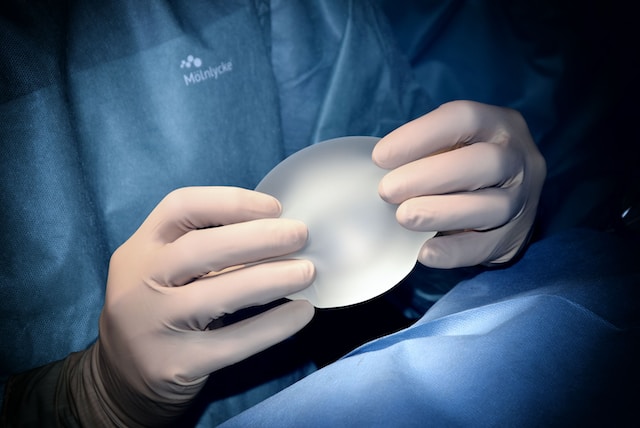
Surgeon's hands holding an implant.

Welcome, gentlemen! Today, we’re here to break down the barriers surrounding plastic surgery for men. In a world where appearance is increasingly important, it’s natural to want to put your best foot forward. And guess what? You’re not alone!

Contrary to popular belief, plastic surgery is not just reserved for women. Men, too, have their fair share of insecurities and desires for self-improvement. However, we understand that entering this realm can be daunting, especially with many misconceptions. Fear not; we’re here to separate fact from fiction and illuminate the truth. Ultimately, you’ll realize that such an endeavor has multiple health benefits, which is also a plus.

In this post, we’ll explore some of the common misconceptions surrounding plastic surgery in men and debunk them with informative insights. We’ll discuss how male plastic surgery has evolved, the procedures commonly sought after, and the benefits it can offer. So, please grab a cup of coffee, sit back, and embark on this enlightening journey together!

Misconceptions: The Ultimate List

Let’s delve into our discussion on plastic surgery for males. We’ll debunk misconceptions and empower you with the knowledge you need to make informed decisions.

A shirtless man coming out from the pool.

Having the body of your dreams doesn’t have to remain an impossibility.

Misconception #1: Plastic Surgery for Men is Emasculating – Separating Fact from Fiction

Society often perpetuates the notion that men should conform to traditional standards of masculinity and resist any form of enhancement. However, the truth is that plastic surgery can enhance masculine features and help men achieve their desired aesthetic goals without compromising their identity.

Modern plastic surgery techniques are tailored to address men’s unique needs and goals. For example, rhinoplasty, facelifts, and body contouring can refine and enhance masculine features, resulting in a more defined jawline, chiseled physique, or balanced facial proportions. 

Moreover, plastic surgery can profoundly impact a man’s self-confidence. Addressing insecurities or correcting features that have been a source of discomfort can lead to increased self-assurance and improved overall well-being. It’s not about conforming to societal expectations; it’s about embracing personal choices and feeling comfortable in one’s skin.

Misconception #2: Plastic Surgery is Only for the Vain – Exploring the Real Motivations

One common misconception is that men who choose plastic surgery are solely driven by vanity. While aesthetic improvement is undoubtedly a motivator, the reality is far more complex. For example, men may seek plastic surgery to address functional issues, such as repairing a deviated septum that affects breathing or correcting gynecomastia (enlarged male breasts) that can cause physical discomfort and emotional distress.

Beyond physical concerns, plastic surgery can empower men to overcome insecurities and improve their quality of life. Whether it’s reducing the signs of aging, enhancing facial features, or achieving a more proportionate physique, plastic surgery can positively impact self-esteem and emotional well-being.

It’s essential to recognize that the decision to undergo plastic surgery is profoundly personal and multifaceted. Men choose it to regain confidence, feel more comfortable in social and professional settings, and enhance their overall self-image.

Misconception #3: Plastic Surgery is Exclusively for the Wealthy – Affordable Options and Financing

Contrary to popular belief, plastic surgery is not exclusively reserved for the wealthy. Various options are available to make it more affordable and attainable for men from different financial backgrounds. Costs vary based on the procedure type, surgeon’s experience, location, and facility fees. In addition, many clinics offer financing options that allow you to pay in manageable monthly installments, making it easier to achieve your aesthetic goals without straining your finances. It’s essential to recognize that plastic surgery for men doesn’t necessarily mean it’s only reserved for the wealthy.

A man reading a newspaper and sitting on coins portraying that plastic surgery for men is for the wealthy

Plastic surgery for men doesn’t necessarily mean it’s only reserved for the wealthy.

Similarly, when considering a move or storage solution affordable options could help streamline the process. Researching professional moving companies, comparing quotes, and exploring self-storage facilities with reasonable rates can help you find cost-effective solutions that fit your budget. Remember, plastic surgery and moving/storage are investments in your well-being and should be accessible to individuals from all walks of life.

Additionally, it’s worth exploring potential insurance coverage for procedures addressing functional concerns or medical conditions. By prioritizing value over cost alone and choosing a reputable surgeon, you can make plastic surgery a realistic option that aligns with your budget and goals.

Misconception #4: Plastic Surgery is Risky and Unsafe for Men– Separating Fear from Facts

Another common misconception surrounding plastic surgery is the belief that it is inherently risky and unsafe. This misconception often stems from sensationalized media stories or outdated stereotypes. However, it’s vital to separate fear from facts and understand the advancements in surgical techniques, the rigorous training of plastic surgeons, and the strict regulations governing the field.

Surgeon's hands holding a filler.

Plastic surgery in men and women uses advanced technology and ensures the highest safety standards.

Modern plastic surgery is conducted in state-of-the-art facilities with advanced technology, ensuring the highest safety and efficacy standards. In addition, plastic surgeons undergo extensive education, training, and certification to specialize in their field. Finally, they deeply understand anatomy, surgical techniques, and patient care.

Before any procedure, a reputable plastic surgeon will thoroughly evaluate your health and medical history to ensure you are a suitable candidate. They will discuss potential risks and complications associated with the procedure and let you know the factors that can influence the outcome allowing you to make an informed decision. Additionally, plastic surgery procedures are performed in accredited surgical centers, adhering to strict protocols and guidelines to minimize potential risks.

The Takeaway

In conclusion, plastic surgery for men is a realm that is increasingly accessible, debunking common misconceptions along the way. Men deserve to feel confident and comfortable in their skin, and plastic surgery offers a range of procedures tailored to their unique needs and goals. By separating fact from fiction, we have learned that plastic surgery can enhance masculine features, address functional concerns, and empower men to overcome insecurities. It is not solely reserved for the wealthy, as affordable options and financing are available, and safety remains a top priority with advanced techniques and trained surgeons. Embracing the transformative power of plastic surgery can lead to improved self-image, increased self-confidence, and, ultimately, a more fulfilling life.

Enhancing Your Natural Beauty With Facial Fillers

6 Minute Read: 

woman looking at herself in the mirror.

With our busy, stress-filled lives, the effects can often show on our skin through wrinkles, fine lines, or a general loss of vibrancy. You might have tried several creams and home remedies to combat these signs. But what if there was a more effective way? A method that embraces your individuality while subtly reversing the signs of aging? Enter facial fillers – a popular, minimally invasive cosmetic treatment becoming the go-to solution for people worldwide. In this blog post, we’ll dive deep into enhancing your natural beauty with facial fillers, discussing what they are, their benefits, and how they can help reduce the visible effects of stress on your skin. By the end, you’ll understand why facial fillers might be the rejuvenating treatment you’ve been searching for.

Understanding Facial Fillers

Facial fillers are substances in the form of a gel that can be injected beneath the skin. They can help smooth your wrinkles, soften your creases, restore the volume you once had, or enhance your facial features. These fillers come in many types, each designed to target specific areas or concerns, from fine lines around the eyes to enhance the volume in your cheeks or lips. The beauty of facial fillers lies in their ability to rejuvenate your face and counteract the skin’s stress-induced damage while maintaining your unique features. They are a means of enhancing your natural beauty rather than radically altering your appearance. In the upcoming sections, we will explore the benefits and process of getting facial fillers to help you understand if this cosmetic treatment aligns with your beauty goals.

Benefits of Using Facial Fillers

Facial fillers offer a myriad of benefits that extend beyond merely enhancing your beauty. For starters, they serve as an excellent solution to counteract the visible signs of aging that lifestyle choices may hasten. Habits like smoking, excessive sun exposure, and poor diet can accelerate aging, resulting in premature wrinkles, reduced elasticity, and loss of volume. Facial fillers can combat these issues effectively by filling in wrinkles and restoring the face’s natural plumpness. This gives you a youthful, refreshed appearance while maintaining the essence of who you are.

In addition, fillers can also be used to enhance certain facial features like your lips or cheeks, providing a subtle lift or adding volume. This results in a natural-looking effect that complements your beauty. In the next section, we’ll guide you through getting facial fillers, offering insight into what you can expect every step of the way.

The Process of Getting Facial Fillers

The journey towards enhancing your natural beauty with facial fillers begins with a professional consultation. This is a crucial step, as it allows your practitioner to understand your beauty goals, assess your skin’s condition, and determine the most suitable type of filler for you.

Once a plan is agreed upon, the treatment process is relatively quick and straightforward. The targeted areas are thoroughly cleaned, and a numbing cream may be applied for comfort. Then, the practitioner injects the filler beneath the skin using a fine needle. The number of injections will depend on the treated areas and the desired results.

Following the procedure, you might experience some swelling or bruising, but these side effects are typically mild and will disappear within a few days. It’s also important to avoid strenuous activities immediately following the treatment, giving your skin time to heal and settle. Remember, every individual’s experience with facial fillers can vary, but a trained professional will guide you through the entire process, ensuring a safe and effective treatment. Next, we’ll delve into who makes a good candidate for facial fillers.

A person getting a facial filler treatment.

The procedure is simple and fast.

The Right Candidate for Facial Fillers

While facial fillers are gaining popularity for their ability to enhance beauty naturally, it’s important to understand that they may not be suitable for everyone. The ideal candidates for facial fillers are individuals in good general health, have realistic expectations, and understand the treatment’s scope. Age and skin condition also play crucial roles in determining candidacy.

For example, younger individuals who wish to augment certain facial features may find fillers beneficial. Similarly, older individuals experiencing volume loss or wrinkles can also enjoy the rejuvenating benefits of facial fillers.

Relating to everyday activities, experts from SF Moving advise that people considering a move or who will require storage services should consider this when planning cosmetic procedures. Any physical strain or stress could affect the healing process after getting fillers, so it’s essential to allow sufficient time for recovery. Whether packing, moving, or storing items, ensure these activities won’t interfere with your post-treatment care.

Lastly, it’s a misconception that only women can benefit from facial fillers. Men can achieve impressive results, contributing to a more youthful and refreshed appearance. We will next address common questions about facial fillers to help you further understand this beauty-enhancing treatment.

Man looking at himself in the mirror.

Enhancing your natural beauty with facial fillers is possible even for men.

Frequently Asked Questions about Facial Fillers

With the popularity of facial fillers, many questions and concerns naturally arise, particularly around their safety. The first thing to remember is that while facial fillers are a cosmetic treatment, they are minimally invasive and far less drastic than surgical procedures. This has significantly reduced the stigma around plastic surgery, as fillers enhance your natural beauty rather than transform it completely.

One common question revolves around potential risks and side effects. As with any treatment, there are potential risks, including bruising, swelling, and in rare cases, more severe complications. However, these risks are greatly minimized when a trained, certified professional performs the procedure.

Another frequently asked question is about the longevity of facial fillers. The duration of the effects can vary depending on the type of filler used, the area treated, and individual metabolic factors. Still, generally, results can last anywhere from 6 months to 2 years.

Finally, many people inquire about the necessary maintenance. Typically, to keep the desired results, you might need follow-up sessions. Your practitioner will guide you on a personalized plan to maintain your refreshed look.

Woman enjoying the sunset.

Facial fillers can give you more confidence in yourself.

Final thoughts

Facial fillers offer a promising solution to subtly reverse the signs of aging, soften lines, and enhance certain features, all while preserving and enhancing your natural beauty. They act as a bridge between skincare products and more invasive cosmetic procedures, providing noticeable yet natural results. As we’ve seen, enhancing your natural beauty with facial fillers isn’t overly complex but requires the expertise of trained professionals to ensure safe and effective treatment. It’s a personalized journey tailored to your unique beauty goals that more and more people find to be a valuable part of their beauty routine. Whether you’re battling the toll stress has taken on your skin, hoping to slow down the clock, or just aiming to boost your confidence, facial fillers might be the cosmetic treatment you’ve been searching for.

Dr. Wald Looks forward to
helping you reach your
cosmetic goals.
Schedule a consultation


Robert Wald, MD
100 E. Valencia Mesa Drive, Suite 300
Fullerton, CA 92835


Phone: 714-312-3549
Fax: 714-738-1862

Get To Know Dr. Wald
Free Consultation Limited Time Offer!