




Robert M. Wald, Jr., MD - The Aesthetic Institute
Contact Us : (714) 312-3549

Orange County | Fullerton, CA

« Back to Blog

Reverse Signs of Sun Damage

beautiful blonde young woman in glasses and holding hat and winking on the beach with sunsetHave you noticed that your skin is looking dull and lifeless following the summer season? With the onset of winter, do you feel that your complexion is poor and uneven? Even with good skin care habits, you can still experience the negative effects of sun exposure. Reversing signs of sun damage will leave you with a brighter, smoother complexion.

Common Signs of Sun Damage

  • Wrinkles
  • Brown spots
  • Red spots
  • Dry skin

Treating Your Skin at Home

While we all have the best of intentions of protecting our skin during the summer, you may have failed to do so 100 percent of the time. You can begin to treat sun damaged skin at home. These are simple tips you can add to your at-home skincare routine.

  • Wear a light SPF every day: You may be thinking that because summer is over you can forget about wearing sunscreen. However, you can still get the negative effects of sun exposure even in winter and especially if you live in Southern California where winter can feel like summer sometimes.
  • Moisturize: The combination of the summer heat and winter chill can rob you of the hydrating moisture that your skin needs. It is important that you introduce a moisturizer into your skin care routine to restore that lost hydration.

Lasers to Treat Sun Damage

While at-home routines can prevent your skin from getting worse, they may not fully reverse the signs of your sun damage. Pigmentation issues and wrinkles start below the skin, and surface treatments aren’t powerful enough to provide the correction you need. Laser skin resurfacing is the ideal post-summer skin procedure because it works deeper in the skin to reverse sun damage.

How Lasers Help Your Skin

Lasers introduce heat and energy into the tissues of the skin. This process damages pigmentation cells, causing them to be absorbed by the body. It also stimulates collagen production in the skin, which can reduce wrinkles and smooth your appearance. Laser treatments are quick, in-office procedures, that only have about three days of downtime.

The Truth About Fitness and Your Appearance

Before we begin, let us say that a healthy lifestyle is an important part of looking and feeling amazing. Even if you are considering plastic surgery, we always recommend that our patients use diet and exercise to be fit and fabulous. That said, exercise can help you lose fat and build muscle, but it does have limitations to how significantly it can transform your body. This is the truth about fitness and your appearance.

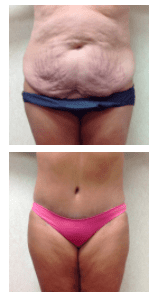
Wald Body Contouring Surgery Tummy TuckWorking Out Won’t Prevent Sagging Skin

Patients who have achieved dramatic weight loss will often develop excess, sagging skin. This is a natural occurrence that results when you lose fat quickly or in large amounts. No amount of toning exercises can restore firmness to this skin. This drooping skin can rob you of a toned and sleek body. It often hides the hard work that you put into creating your new body.

Treating Sagging

Even though diet and exercise won’t improve your sagging skin, there are treatment options available to help you achieve the body you desire. A tummy tuck can be used to enhance the contours of your abdomen, or you can choose bariatric contouring to address the abdomen, hips, and thighs.

You Can’t Spot Reduce Fat

When you lose weight, you can tone and improve a specific area, but you cannot control from where you lose fat. Genetics can predispose you to accumulating fat in a localized area of your body, and that localized fat can be nearly impossible to eliminate. These stubborn areas of fat can prevent you from having the slimmer and sleeker body you’ve been trying to achieve at the gym.

Treating Fat

Liposuction can be considered if you need to eliminate unwanted areas of fat. Not only can you achieve a more customized contour with liposuction, but we can also enhance the definition in a treatment area. You may consider liposuction to treat one or more of the following:

  • Abdomen
  • Hips
  • Thighs
  • Arms
  • Back
  • Chest
  • Neck
  • Knees
  • Ankles


Are “Selfies” Making Us Face Our Facial Flaws?

Smiling business woman making selfie photo on smartphoneSocial media has taken over our daily lives. Some of us feel that we must know what is going on every minute of every day. It is has spiked the influx of people taking photos and always snapshotting their daily activities. Among the photo trends that has become popular is the “selfie,” where an individual holds their arm out and takes a picture of themselves. The downside of taking close-ups like selfies is that they can reveal your facial flaws, such as fine lines, wrinkles, and blemishes. Thankfully, social media platforms often have image filters to help cover up those facial flaws. However, many people want to improve their facial skin and signs of aging in real life and to avoid needing filters. Fortunately, there are many non-surgical options for improving your skin.
Your Non-surgical Treatment Options

Even someone who follows a regular skin care regimen and a healthy diet may still have problems with fine lines, wrinkles, age spots, and uneven skin pigmentation. Non-surgical cosmetic options allow someone to reverse their facial issues without surgical knives, anesthesia, and long recoveries. Here are some of the procedures offered by Dr. Wald:

  • BOTOX Cosmetic®: BOTOX Cosmetic® is an injectable composed of a protein derived from botulinum toxin type A. It works by inhibiting the movement of the facial muscles that cause the appearances of dynamic wrinkles, such as:
    • Crow’s feet (fine lines at the outer the corners of the eyes)
    • Frown lines (creases between the brows)
    • Lines and wrinkles along the forehead
  • JUVÉDERM®: JUVÉDERM® is an injectable filler made of hyaluronic acid, a naturally occurring molecule in the body that hydrates and adds volume. It can help smooth and plump the skin to treat issues such as:
    • Wrinkles under the eyes
    • Loss of fat in the cheeks
    • Thin lips
    • An undefined jawline
    • Smile lines
  • RADIESSE®: RADIESSE® can effectively treat fine lines and wrinkles caused by a lack of volume. It is an injectable gel filler made of calcium hydroxylapatite microspheres that stimulate collagen production. It can target:
    • Smile lines
    • Marionette lines
    • Loss of volume in the cheeks
    • Depressions on the nose
  • Restylane®: Restylane® is comprised of hyaluronic acid that adds fullness to the face to target facial wrinkles and creases, such as:
    • Nasolabial folds
    • Creases around the mouth
    • Loss of fullness in the cheeks
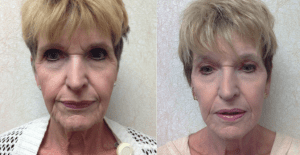
  • Laser therapy to peri ocular and peri oral areas by Dr. WaldLaser skin resurfacing: This treatment involves using a surgical laser to remove unwanted, damaged tissue. It can help to effectively treat imperfections on the skin, such as:
    • Sun damage
    • Acne
    • Acne scarring
    • Fine lines
    • Wrinkles
  • Sciton® laser: The Sciton® laser uses infrared energy to heat the dermal layer deeply using sapphire contact cooling. The heat from the laser treats the collagen layer to promote the natural healing process of the skin. This treatment can target:
    • Wrinkles
    • Fine lines
    • Blemishes
    • Age spots
    • Acne scars

If you want to make your filtered selfie a reality and are interested in one of our non-surgical treatments, schedule your consultation with Dr. Wald today! Contact us by calling (714) 312-3549 or by filling out our online contact form.

4 Factors That Will Affect Your Healing After Plastic Surgery

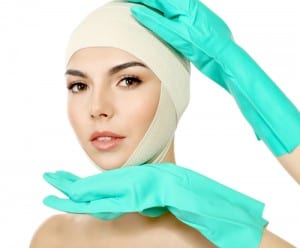
Young beautiful woman with an elastic bandage on her headWhen all other avenues for weight loss or anti-aging treatments have failed, many people consider plastic surgery to achieve their goals. However, with so many celebrities putting plastic surgery in a negative light, some people tend to not look at plastic surgery favorably.

Plastic surgery is surgery; therefore, it is crucial that a patient who is considering the process takes it seriously. Besides the preparation for surgery, the recovery is an important aspect of the plastic surgery process. How someone cares for themselves following a procedure helps them to achieve the best results and dictates how their surgical wounds heal. Whether you are undergoing liposuction or breast augmentation, here are some of the top factors that will affect your healing following plastic surgery.

1. Your Age

The older a person gets, the harder it is for them to recover from a sickness or injury, especially after surgery. When someone in their 40s, 50s, or 60s decides they want to undergo a plastic surgery procedure, they should keep in mind that they might not recover as quickly as someone in their 20s or 30s. Depending on your age, your plastic surgeon will provide you with an idea about how your recovery process will go and the best surgical approach to help you heal safely and efficiently. They may also suggest less invasive options, such as injectables or fillers that provide anti-aging results but are less strenuous on the body than a surgical procedure.

2. Your Genetics

Genetics also play a significant role in the recovery process. Patients who have a family history of poor wound healing is something that cannot be changed; though, if you live a healthy lifestyle and listen to instructions before and after surgery, it can make for a positive healing experience. Depending on the patient, they may need to take more time away from physical activities or work. Any concerns regarding your genetics and family history should be discussed with your doctor before booking your procedure. Your plastic surgeon will consider any previous medical problems when designing your individualized surgery plan.

3. Caring for Your Surgical Wounds

Age and genetics are a factor some of us can’t change when undergoing a surgical procedure. However, how you care for yourself and your surgical wounds following your surgery should be taken seriously. Patients should keep their incisions clean and covered and should avoid touching them. They should keep track of any changes in the color or appearance of their surgical incisions. If any surgical wounds look pink or red or have any drainage, the patient should seek medical attention to make sure the incisions are not infected.

4. Your Health

A patient’s health before and after surgery will significantly impact how their surgical wounds heal. It is important that patients follow a healthy diet before and after surgery, and refrain from any unhealthy habits such as smoking or consuming alcohol. You can discuss with your doctor about what types of foods should be avoided during the recovery and ways that might improve your healing after surgery. You should also stay hydrated by drinking plenty of water and abstain from consuming drinks high in sugar such as soda and certain juices.

If you are interested in a plastic surgery procedure, Dr. Wald is a board-certified plastic surgeon who can provide you with the best advice on how to achieve the best healing experience after your surgery. Schedule your consultation today! Contact us by calling (714) 312-3549 or by filling out our online contact form.


Are Teenagers Being Bullied Into Plastic Surgery?

girl being bullied by a female group Growing up in today’s world can be difficult for some teenagers. The pressure for teens to be accepted by their peers is a common obstacle some might face. When a child looks or acts differently than others, it can often lead to bullying—verbally and/or physically. Teasing from peers can include physical violence or involve relentless nicknames like “big ears,” leaving a child emotionally scarred. Many of the physical characteristics that cause an influx of bullying toward a particular child can be addressed through plastic surgery. In fact, teenage plastic surgery may not be a topic often talked about, but many teens are undergoing cosmetic procedures to restore their confidence and self-image. According to statistics from the American Society for Aesthetic Plastic Surgery, teenagers made up 1.5 percent of the plastic surgeries performed in 2016.
Should Your Teenager Undergo Plastic Surgery?

Many parents might have a teenager who feels that they could find emotional relief from bullying by altering their physical appearance. Plastic surgery is serious, and it should only be an option for teens who are physically and emotionally ready for this type of surgical procedure. How do you know if plastic surgery is the right choice for your child? Before letting your teenager “go under the knife,” ask yourself these questions:

  • Are they realistic in their expectations?: Plastic surgery is meant to enhance a person’s natural features. Teenagers should understand that they will not achieve dramatic changes in their appearance but rather a more improved version of themselves.
  • Are they physically healthy?: Ideal patients should be in good health and do not have any serious medical conditions. It is recommended to have your child physically examined by his or her primary care provider before undergoing a plastic surgery procedure.
  • Are they aware of the risks of complications?: Every surgery involves some risks, complications, and side effects. Patients need to know that the results will not be immediate and may entail some residual swelling, bruising, and bleeding.
  • Do they have time to take away from activities and school?: Plastic surgery will involve a few days to weeks of recovery. Ideally, spring, summer, or winter break are perfect times of the year to book a procedure so they do not have to miss school or social activities.

Common Teenage Plastic Surgery Procedures

There are several procedures teenagers often request. Here are some of the typical teenage plastic surgeries:

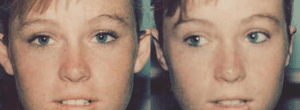
  • OTOPLASTY patient of Dr. Wald Otoplasty: Children and adolescents who suffer from large, protruding ears that stick out are often haunted by nicknames such as “Dumbo” that affect their emotional well-being. Otoplasty, or ear surgery, is one of the most popular plastic surgeries for patients 18 years of age and younger. Its purpose is to pin or set back the ears so they are positioned closer to the head.
  • Rhinoplasty: Since the nose is the central feature of the face, it can affect someone’s entire facial appearance. Rhinoplasty or nose surgery is designed to correct a crooked nose, overly large nostrils, or a nose that is too big. Teenagers can feel confident knowing that their nose blends in with the rest of their facial features.
  • Liposuction: Many teenagers struggle to lose stubborn excess fat. Liposuction can effectively remove fat to provide a slimmer, more toned appearance for a variety of treatment areas.

If you think your teenager is ready for plastic surgery, schedule a consultation with Dr. Wald today! You and your child can sit down and discuss the different procedures available. Contact us by calling (714) 312-3549 or by filling out our online contact form.

Dr. Wald Looks forward to
helping you reach your
cosmetic goals.
Schedule a consultation


Robert Wald, MD
100 E. Valencia Mesa Drive, Suite 300
Fullerton, CA 92835


Phone: 714-312-3549
Fax: 714-738-1862

Get To Know Dr. Wald
Free Consultation Limited Time Offer!