

Robert M. Wald, Jr., MD - The Aesthetic Institute
Contact Us : (714) 312-3549

Orange County | Fullerton, CA

« Back to Blog

Best Exercises After Breast Augmentation

7 Minute Read: 
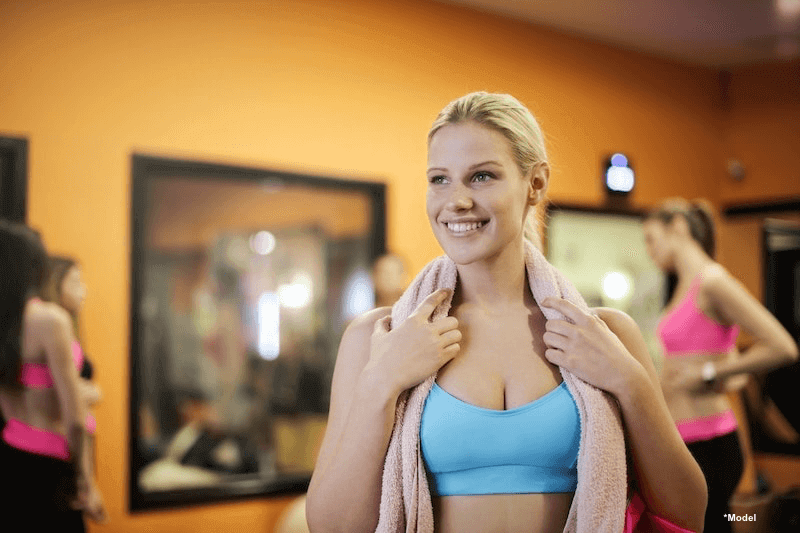
BEST EXERCISES AFTER BREAST AUGMENTATIONUndergoing surgical body modification like breast augmentation is a significant step in improving your looks and building up body confidence. Still, no matter how ready you think you are for the procedure, embracing the changes might take a while. Even though we are talking about positive body upgrades, our minds and bodies need rest and time to recover before going back to their full potential. Luckily, the recovery period after this procedure is relatively short, but during the first couple of weeks, resting as much as you can is crucial. To help you get back to your old but improved self, we made a workout list of the best exercises after breast augmentation.

The First Week

Any surgical intervention requires 24h – 48h of rest after the procedure. Breast augmentation is no different. Your body is adjusting to changes, and this initial rest does the most of the job. Most likely, you will feel exhausted, but that is normal. For the first few days, try avoiding any upper body part activity. Focus only on non-demanding exercises, like taking slow walks. Under no circumstances should you run, jog or do intensive workouts. This also refers to heavy lifting and arm stretching.

For those who got used to being physically active every day, this might be quite the challenge. But it’s crucial not to overdo your chest muscles that are already under tension. After the first three days, you can slowly increase the level of the activities. When doing so, listen to your body. You might be more tired than usual, so take it slow. Still, if you feel any unusual discomfort, make sure to call your doctor.
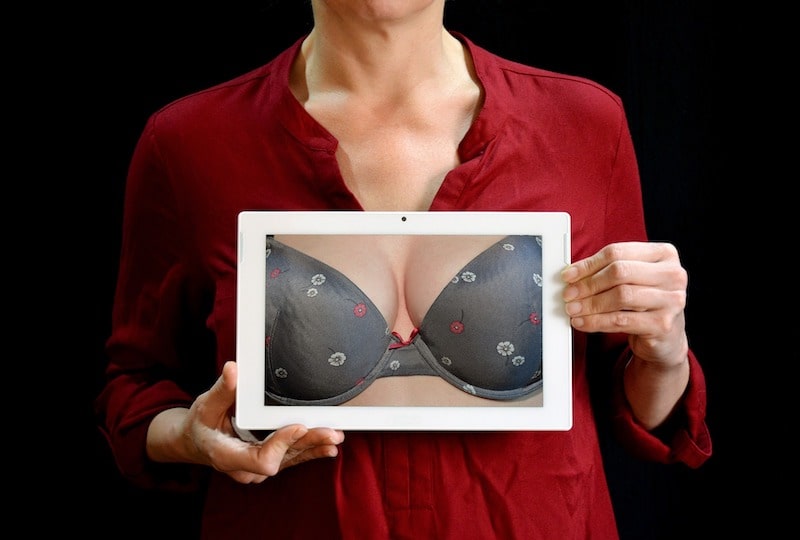
A woman holding a photo after breast augmentation

*Model
Adapting to your “new” body might take some time

The Second Week

The feeling of tiredness in your muscles should be gone a week after the breast augmentation procedure. That means it’s time to work on your posture and learn how to handle your newly-improved body! Working on your posture is essential since it helps to strengthen the muscles and prevents becoming round-shouldered. You need to keep your posture straight, with shoulders going slightly back. Raise your chin, lift your chests and hold in that position for a couple of minutes. It might cause mild discomfort in your back, but that is perfectly normal. Think of it not as an exercise but as the best way to present your body. Do it as much as you can until it becomes your natural posture.

Working on the posture will help your body adjust to its new addition. However, adding some arms and shoulders exercise will prevent stiffness and increase muscle mobility. Many decide to have professional guidelines during this period. So, to find a personal trainer who will suit you best, you can browse the fitnesstrainerdubai.com database or a similar portal. But even with expert assistance, most of the job is up to you. You should perform all of the following exercise examples every 1 – 3 hours during the first three weeks of recovery. Start with a set of 5 series, gradually increasing to 10 after a couple of days:

  • Arm swings – Put your arms next to your body slightly in front of you. Start with circling motions that will activate the muscles in the armpit area. The circle radius will depend on your current possibilities.
  • Shoulder rolls – Relax your shoulders. Then slowly roll them forward and backward as much as you can while taking deep breaths.
  • Shoulder shrugs – Lift the shoulders gently. Keep them frozen in that position for a couple of seconds while taking a deep breath, then slowly get them back, exhaling.
  • Shoulder raise – Put your hands on your shoulders and raise your elbows on the same level. Start circling the arms first on one side, then another. This position might be unpleasant initially, and most likely, you won’t be able to raise your elbow that high. Still, be patient and persistent and work on your mobility. You will get there in no time.
  • Body rotations – Sit on a chair and lightly cross your hands on your shoulders. Slowly turn your head and entire upper body to the left and the right. Repeat the motion.
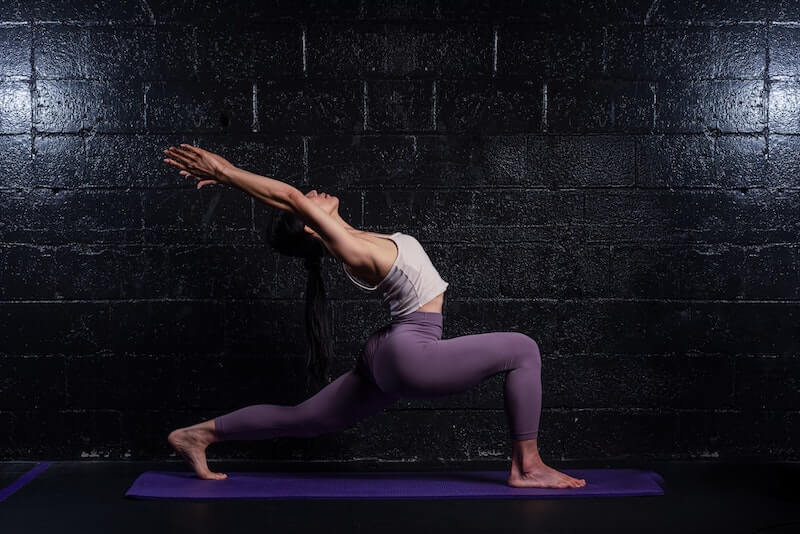
 Woman doing yoga

*Model
Going back to your demanding workout routines in the first weeks of recovery would be a disaster

The Third and Forth Week

Even the best exercises after breast augmentation won’t have any effect if there is no continuity. The third and fourth weeks bring you slightly more demanding activities, adding to the routines you’ve been executing in the first two weeks.

  • Chest stretch – Stand up with your arms beside you. Then pull your arms and shoulders behind you slowly as far as possible before relaxing and going back to the beginning position.
  • The wall exercise – To perform this activity, stand straight facing a wall with your palms touching the surface. Gently walk them up the wall until you feel the tension is rising. This might be challenging in the beginning, but soon you’ll stretch and strengthen the necessary muscles. The same routine of walking the fingers up the walls, only facing the wall sideways, is the next on the workout list.
  • Resting pose – Lay on your back. Put the palms behind the neck, and move the elbows inward and outward.
  • Arms above the head – While in laying position, lift your hands above the head as far as you can. If this motion doesn’t cause you discomfort, you can probably do it from a sitting position as well.

The Fifth and Sixth Week

By this stage, your body should have recovered a great deal. Thus, resuming the physical activities before the surgery can start. However, you have to realize that your body is not at its full capacity, so increase the activities slowly and gradually. It’s essential to point out that you still need to avoid any heavy lifting and hard labor.

Two women holding each other

*Model
Best exercises after breast augmentation should be combined with proper chest support

When Is It Safe to Resume Your Physical Activities and Routines?

Even though every surgery will dictate its own pace when it comes to recovery, the breast augmentation procedure usually takes at least two months. Only after that can you have a more demanding workout. Overworking the chest muscles right after the surgery can have serious consequences. Therefore, it’s crucial to start with gentle exercise and body stretches and build up the movements in the upcoming months. Needless to say, resting after the procedure is necessary, but so is resuming your everyday activities in the mildest form. Your body needs to get used to “extra weight“, so starting with tender movements the day after the surgery will prevent your scar from getting too tight.

Sometimes it can be hard to follow even the best exercises after breast augmentation on your own. Therefore, staying motivated and persistent is vital, but so is knowing that you’re doing the routine the right way. With such simple workouts, you don’t need to attend special exercise classes. Virtual personal trainers have become very popular nowadays, especially due to the Covid-19 pandemic. And since great trainers are now available online as well, you can exercise correctly from the commodity of your own home.

Conclusion

Every body reacts differently to changes. Therefore, even when doing the best exercises after breast augmentation, you have to be patient. Follow your own pace and listen to your body’s reactions before increasing any activity. You must contact your surgeon in cases of any pain, swelling, redness, or any severe discomfort.
Is Medical Tourism Worth It?

5 Minute Read: 

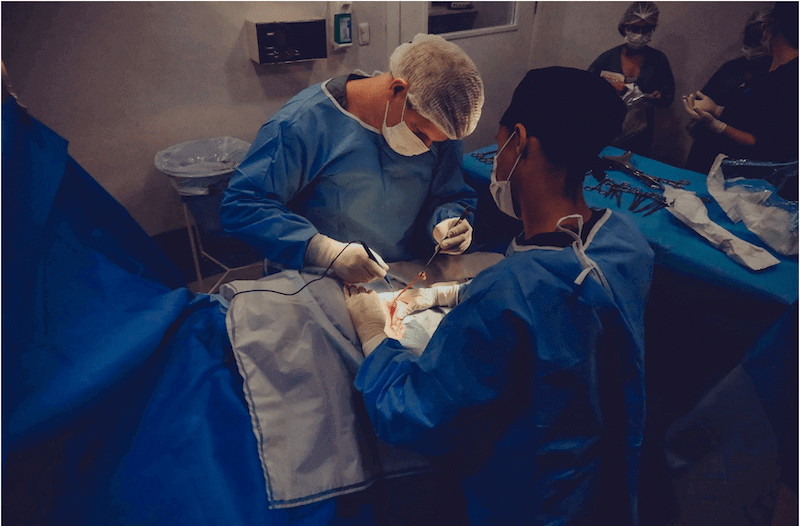
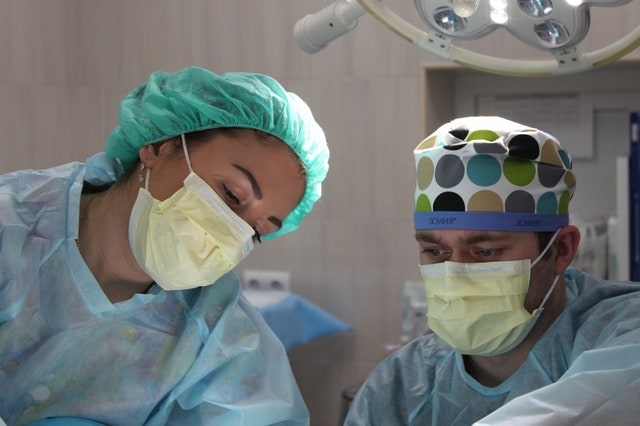
Two doctors in surgery

*Models

Medical tourism, also known as health tourism, is becoming more and more common. Many people decide to travel and have medical treatments done in other countries, from a tummy tuck to organ transplants. They are seeking surgery at lower costs or a specific procedure they are unable to have in their home country. Even though this whole process might be appealing for various reasons, it has many potential risks, and some are very serious. Therefore, you may wonder – Is medical tourism worth it? Read this article to find out.

What Drives People to Have Surgery Abroad?

  • Lower costs – Medical and surgical care overseas is often cheaper than in the USA. That’s mainly because the cost of labor is (sometimes drastically) lower in foreign countries. If someone needs a procedure that is not covered by insurance, such as plastic surgery, or if someone doesn’t have insurance at all, the savings can be significant.
  • Insurance incentives and discounts – Some insurance companies promote medical tourism. It’s also because of savings – both for the insurer and for the insured.
  • Exotic vacations – Health tourism often implies exotic vacation overseas – before or after surgery. This became an inexpensive way to travel, especially if the insurance company is paying for the flight and the cost of staying is low. Recovering on a beach or at a beautiful location may sound like a wonderful idea. But in reality, swimming and relaxing in the sun is hardly possible after most procedures.
  • Bypassing rules and regulations – The USA has many healthcare regulations that protect patients from harm. However, some people will do anything to avoid regulations set by their government, insurance company, or hospital.
  • Talented surgeons – Surgeons in certain countries are known for their talent in specific areas. For example, Brazilian surgeons are famous for their plastic surgery skills, while Thailand is often associated with people seeking gender reassignment.
Surgeons performing surgery

*Models
Sometimes, it’s easier to qualify for a certain procedure abroad, but there are many safety risks involved.

What’s the Catch?

The majority of people traveling overseas for plastic surgery are females, but men are also willing to go under the knife to achieve their dream look. Even though medical tourism may sound fantastic, there are many potential risks to consider.

Quality of Surgery

Medical care in a foreign country means different devices, injectables, and techniques than those in the USA. As teams from Sky Moving can confirm, the US is one of the countries where people are most eager to move to. Its prosperity and high-quality health care are the main reasons for it.

It is hard to obtain information about foreign physicians and the quality of their work from afar. A foreign physician should be trained and board-certified in the specific area of medicine appropriate for a particular procedure.

An operating room with medical staff

*Models
The USA has one of the best health care systems in the world.

Quality of Staff and Facility

The well-trained nursing staff is an integral part of healthcare. They often identify a potential problem and fix it before it becomes a real issue. On the other hand, poorly trained nursing staff may not recognize a problem until it is too late.

The facility where the surgery will be performed is another essential factor to consider. Foreign facilities may be dirty, with old equipment, outdated technology, and minimal resources. Furthermore, surgeries in foreign countries are sometimes performed in an isolated facility far away from a major hospital, without access to a higher level of medical care.

Flying Home Right After Surgery Is Risky

Every patient should know that after every major surgery, there’s a risk of blood clots. Long-haul flights can increase that risk, and clots can lead to death or stroke. So, flying home immediately after surgery is very risky. Patients should wait at least one week to decrease the chances of developing any serious complications during the flight.

Food in Foreign Hospitals Is Different

A patient with a sensitive stomach should always think twice about having surgery abroad. The food in foreign hospitals may be very different from food at home. Water in some areas is also totally different, and it can upset the stomach easily. If the food and water cause diarrhea, nausea, or vomiting, your postoperative period can become very hard.

Difficulties With Follow-Up Care

Keep in mind that many physicians and surgeons are hesitant to take care of a patient who received medical care outside the country. They may have concerns about the quality of procedures and care provided overseas. So, finding a doctor that’s willing to treat you may become an issue.

Many American plastic surgeons spend countless hours repairing the scars and disfiguring damage done by a poorly trained foreign surgeon. Unfortunately, many individuals suffer serious infections or permanent harm.

A worried man sitting on a couch

*Models
Arranging for follow-up care after a surgery done in a foreign country may be difficult.

Moving to a Smaller Home as a Way to Save Money for Quality Medical Care

Many people would rather have a medical procedure in their home country and avoid all the risks that come with overseas surgery. But, they struggle with finances. One way to improve your finances is finding a smaller space to move to and live a much simpler life while cutting your costs dramatically. Moving into a smaller home means you’ll spend less time on regular home maintenance, and you’ll pay less for utilities each month. Cutting your costs will help you save for a medical procedure or anything else you wish or need.

The Bottom Line

In the USA, each board-certified surgeon needs to follow the highest clinical standards, with many pharmaceutical and medical laws in place. Even though these standards increase the costs of health care, they also improve safety. So, is medical tourism worth it? We hope you agree that your body and life are much more important than financial savings or exotic vacations overseas.

Exercise After Plastic Surgery – How Soon Is too Soon?

6 Minute Read: 

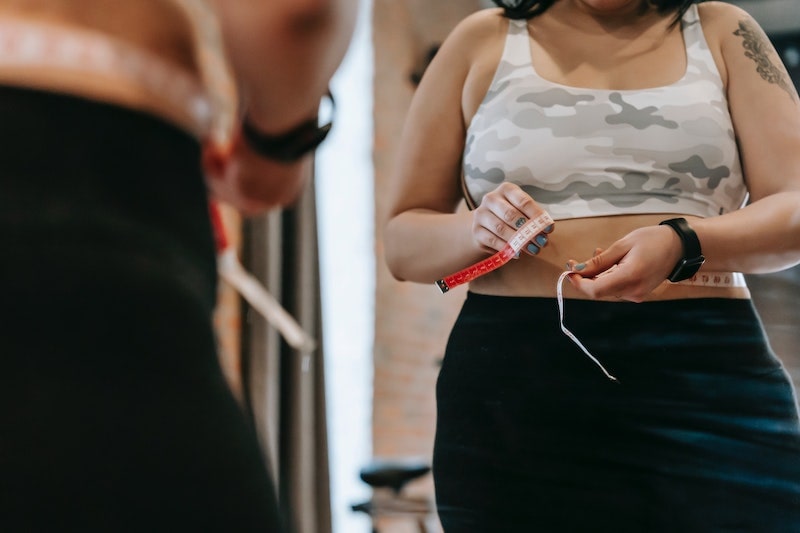
A woman measuring her waist, wearing gym clothes

*Model

One of the most common questions patients ask after plastic surgery is when they can return to their regular workout routines. Although you may conclude that you have undergone surgery to feel better about yourself and, thus, should continue working out to feel even better, there should be a period of time during which you must refrain from physical activity. You must allow your body enough time to recuperate. Therefore, keeping your exercise regimen undisrupted cannot be your priority during that time. But, how soon can you exercise after plastic surgery? Read on to find out.

Listen to Your Doctor

Before we even begin discussing when and how you can continue working out, you have to understand something. Following your doctor’s orders to the T is of the utmost importance. They don’t set the rules arbitrarily. Each body and every procedure is different. Therefore, you have to go to all your scheduled follow-up appointments. That way, your doctor will assess your healing process and provide you with further guidance. 

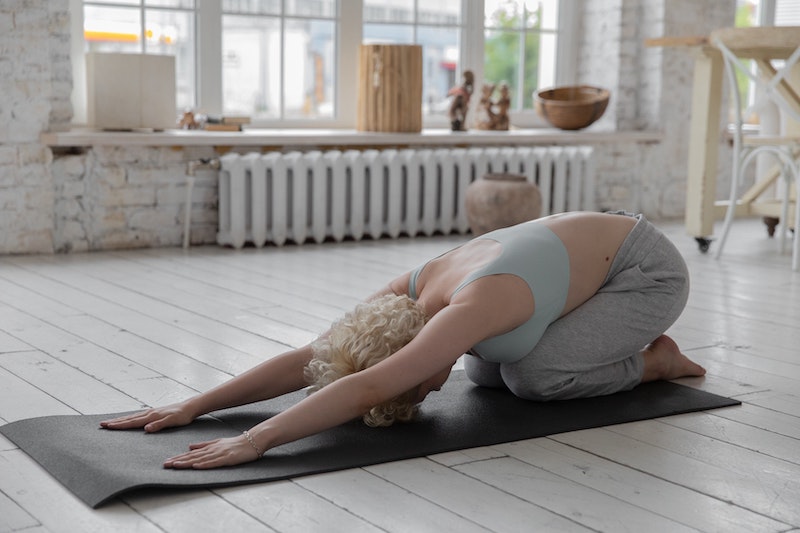
A woman doing light yoga

*Model
Every procedure and every body are different. Your doctor will track your healing process and tell you how to resume working out.

While doctors are aware that some physical activity can help accelerate the healing process and further improve surgical results, you have to know that the amount of physical activity will depend on a few factors. Firstly, how much exercise you will be able to withstand will depend on the invasiveness of the surgery. For example, tummy tuck (abdominoplasty) and liposuction affect your core. Thus, exercise during recovery will be very difficult or impossible. As for breast surgeries or facial rejuvenation procedures, they will also come with a set of rules to follow. Moreover, how much you will be able to do will depend on your own internal healing process. 

So, you must listen to your doctor’s instructions. And when they recommend that you slowly begin getting back to your routine, it’s the time to be very nitpicky. Make sure you know how slow is slow enough. Also, if they say light exercise, what exactly constitutes light. Don’t rush! As the experts from dubaipt.com say, there is something called muscle memory. Therefore, you shouldn’t worry about getting back in shape after a few weeks of resting. You will get there pretty quickly.

First Several Weeks After the Procedure

Surgeons agree that during the first 48 hours after surgery, patients shouldn’t be overly active. Regardless of the extent of the surgery, be it a minor brow-lift or you went for a full-blown Mommy Makeover, you must take it easy the first two days. 

After that, you should start slowly. You can expect six to eight weeks to pass before you can go back to the exercise routines you practiced before the procedure. During this time, you will first start walking, then proceed onto more intensive aerobic exercises. In the end, you can return to resistance weight training. Again, there is no need to push yourself. You will be fit again soon after you start moving your body.  

A woman walking, showing an example of a way to exercise after plastic surgery

*Model
Several short walks a day are an excellent way to start exercising after plastic surgery.

Here is an example of what the first few weeks of your recovery should look like:

  • 1st week: Three light, five-minute walks a day
  • 2nd week: You can increase the duration of your walks to ten minutes
  • 3rd week: You can have three 15-minute walks a day
  • 4th week: Take four 15-minute walks, and if your surgeon agrees, start with some light routines
  • 5th week: Slowly go back to your exercise routine
  • 6th week: Start increasing the intensity.

Surgeons typically advise their patients to do low-impact exercises when they begin easing back to their workout routines. Light yoga, stretching, and walking will improve blood circulation, which will help the healing. Moreover, it could reduce the possibility of complications such as blood clots. 

Listen to Your Body

Being in tune with your body is crucial. We all have to learn to listen to what our bodies are trying to tell us. Therefore, if you feel any pain or discomfort, you must stop with the activity straightaway. Understandably, it can be frustrating if something you did with ease before the procedure becomes nearly impossible. But there is no room for frustration. Your body has gone through something demanding, and you have to give it time to recover and regain strength. Then, you will be able to do everything you did before without any issues. 

It’s critical you don’t jump into your pre-procedure routine immediately. When it comes to exercise after plastic surgery, it is always best to work slowly to increase your energy levels and improve your endurance. 

Supportive Garments Are Beneficial

If your doctor has advised you to get supportive garments, you should do it. And it would be best to wear them during exercise. For instance, a supportive bra is a must after breast procedures. Also, there are special compression garments that patients who have undergone body contouring surgeries should wear while working out. 

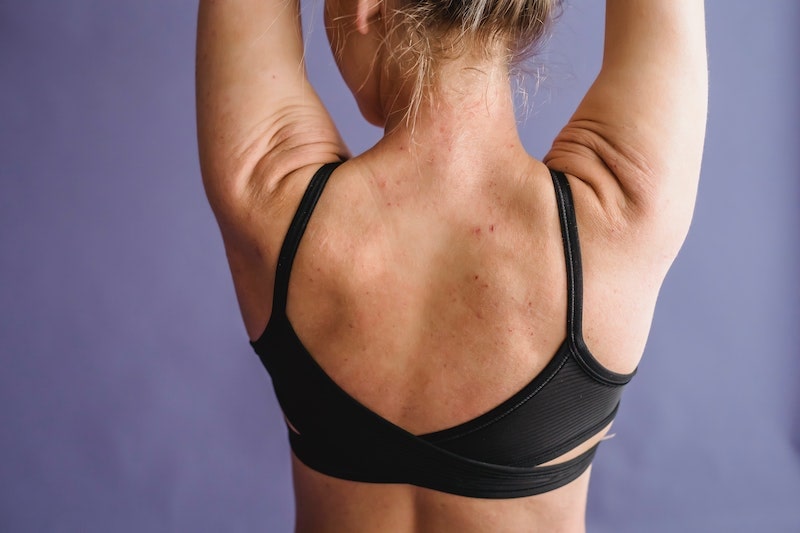
A woman wearing a supportive bra

*Model
Supportive garments are necessary after some plastic surgeries.

The Consequences of Exercising too Soon and too Hard After Plastic Surgery

If you stress your body too hard after surgery, you can suffer some consequences. Too vigorous and strenuous exercise too soon after the surgery can negatively impact your healing process. There can be a lot of unnecessary bruising and swelling or fluid buildup. For instance, if you overdo it after a tummy tuck, there could be bleeding or a hematoma. Also, your wound can reopen, which can result in an infection. 

Additionally, if you don’t follow your surgeon’s instructions and exercise inadequately, you can distort the results of your procedure. For example, if you have had breast augmentation surgery and don’t wait an appropriate amount of time before performing chest exercises, the implant can move. 

Exercise After Plastic Surgery Is Beneficial if Done Properly

Your surgeon will recommend that you do some exercise after plastic surgery. It can be helpful for your recovery, but only if you do it correctly. Every responsible surgeon will put your safety first, so it’s in your best interest to follow their instructions. After all, your recovery and the results of the procedure depend on it.

Body Contouring Procedures After Pregnancy and Childbirth

6 Minute Read: 

Three curvy women in colored bikinis standing arm-in-arm.

*Models

Childbirth is the most incredible experience a woman can go through. The result of it is the most precious gift and the source of joy unlike any other. Still, the immense happiness comes at a considerable price for a new mom’s body. Namely, pregnancy, giving birth, losing a substantial amount of weight, and breastfeeding come with some not so delightful physical changes. And the consequences of these changes may linger for quite a long time. Some of these are excess loose skin and stretched abdominal muscles. Unfortunately, there is little strict dieting, and strenuous exercise can do about this. Thankfully, body contouring procedures after pregnancy and childbirth are a great option that gives fantastic results.

What Is Body Contouring?

Body contouring or body sculpting has become very popular with young moms trying to get their old figure back after childbirth. It involves several procedures that all give excellent results relatively quickly. The most popular surgical practices included under the umbrella term body contouring are tummy tuck, liposuction, breast enhancement, and vaginal rejuvenation. If we combine all of these procedures, we get what is knows as Mommy Makeover

Who Are Ideal Candidates for Body Sculpting?

To be considered a good candidate for one of the body contouring procedures after pregnancy and childbirth, you need to fulfill the following requirements:

  • your weight is ideal or near that number
  • your weight doesn’t oscillate much
  • you are not a smoker or willing to quit
  • you are in good general health
  • your expectations and goals are realistic.

Given that there is a range of factors that can determine whether you are a suitable candidate for body sculpting procedures, it would be best to schedule a consultation with your doctor. They will be happy to answer all your questions and resolve any dilemmas. Furthermore, a medical professional is the only person who can advise you on the adequate procedure for your particular situation.

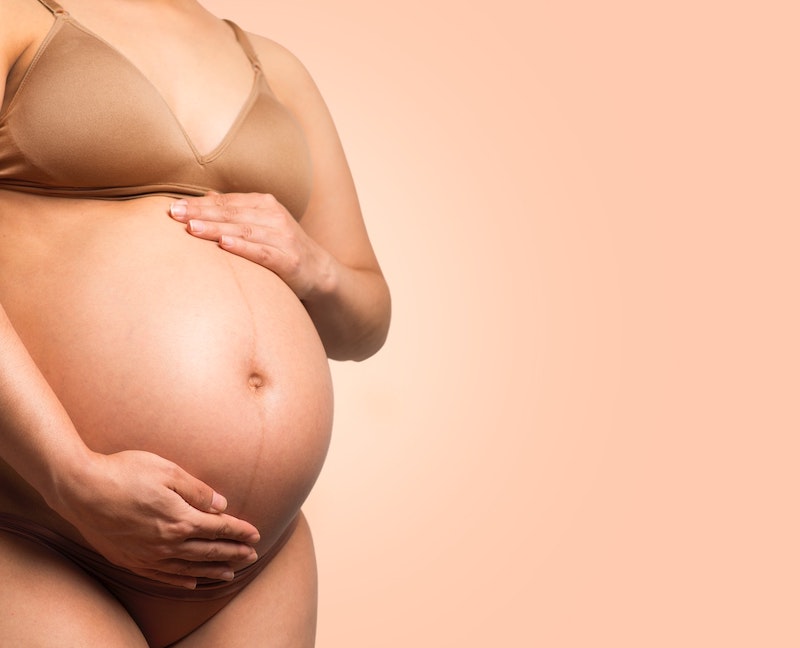
Close-up image of a pregnant belly against a peach background.

*Model
A woman has to take care of herself during pregnancy and after.

Also, it’s necessary that you are in an appropriate physical and mental state to undergo any of the surgical procedures. Just like you need proper preparation and care during pregnancy, you also need to take care of yourself after pregnancy. That way, you will ensure you are a good candidate for the surgical practice you wish or need. 

Different Body Contouring Procedures After Pregnancy and Childbirth to Consider

As mentioned, there are several surgical procedures that body sculpting involves. Let’s take a look at them.

Cosmetic Procedures Around the Abdomen

During pregnancy, the skin stretches. If a woman carries multiple babies or she has had multiple pregnancies, there can be excessive stretching. After childbirth, it is expected that the skin doesn’t go back to its original state. Consequently, there can be a lot of excess sagging skin. Moreover, abdominal wall muscles can separate; even despite the regular physical activity, a woman can still have a big pregnancy-like stomach. And, of course, there will likely be a few stretch marks.

While these are reminders of a beautiful period of a woman’s life and the greatest gift of all, they can severely impact her confidence. Luckily, two procedures can help tremendously around the tummy area.

Liposuction

Liposuction involves breaking up fat cells and removing excess fat from various areas of the body. Many women struggle to eliminate stubborn fat deposits from their abdomen, arms, legs, and bottom. Therefore, they decide to try liposuction. This plastic surgery procedure can do wonders in restoring a woman’s confidence and help her get her pre-pregnancy body back. Moreover, this procedure is relatively simple, and recovery doesn’t take long.

Tummy Tuck

A tummy tuck, or abdominoplasty, is a plastic surgery procedure that many women undergo after childbirth. Like liposuction, abdominoplasty also involves the removal of fat deposits. However, it also removes excess skin. Women usually opt for this surgery if there is loose skin they can’t get rid of. Also, in case abdominal wall muscles separated during pregnancy, this procedure will tighten them. While this is as standard a procedure as liposuction, it is more invasive too, and thus, the recovery takes a bit longer.

A woman representing all the benefits of body contouring procedures after pregnancy and childbirth

*Model
After tummy tuck and liposuction, the stomach is flatter and firmer.

After the procedure, the stomach will be firmer and flatter, and the waistline will be better defined. If you have had a C-section, the scar can possibly be incorporated into the existing one. If not, the scar will be positioned on the lower abdomen. That way, it can be easily hidden with most undergarments or swimwear. Moreover, abdominoplasty can remove stretch marks in the lower part of the abdomen.

Vaginal Rejuvenation

Women who didn’t have a C-section may want to schedule vaginal rejuvenation, i.e., labiaplasty. The reason behind this decision is that they are worried about their vaginas not being as tight anymore. Therefore, they believe it may make sex less pleasant both for them and their partners. This procedure, hence, helps women regain their sexual confidence by eliminating those worries and fears. It involves reducing and reshaping the inner labia, and it doesn’t affect the clitoris.

Breast Enhancement

Besides that abdominal area, pregnancy and childbirth can severely affect a woman’s breasts. They expand relatively quickly during pregnancy and can potentially lose elasticity while breastfeeding. Therefore, after everything, they can look deflated, making the woman lose her confidence. However, breast lift or breast augmentation can make an incredible difference. Your breasts can look just as great or even better than before the baby.

A woman posing for a painting wearing black undergarments

*Model
Body contouring procedures after pregnancy and childbirth can help a woman regain her confidence and feel good about her body.

Having a baby is a beautiful experience that women have the privilege to experience. However, what this blessing can do to their bodies is less appreciated. And becoming a mother will imply giving all you have to your little bundle of joy. You will need a lot of time for the baby, a lot of patience, piles of toys, parenting books, baby food recipes. Then, you will need lots of onesies, tiny shoes, bottles, pacifiers, and other adorable baby clothes. Still, don’t forget that you need to do something for yourself.

Being a good and dedicated parent doesn’t mean forgetting and disregarding your needs and feelings entirely—quite the opposite. So, once you have finished breastfeeding and have a bit more time for yourself, body contouring procedures after pregnancy and childbirth can help you regain your confidence and start feeling good in your body again. If you are in good general health, these surgeries are perfectly safe, and it won’t take ages to recover from them.

Activities to Avoid After a Tummy Tuck Surgery

5 Minute Read: 

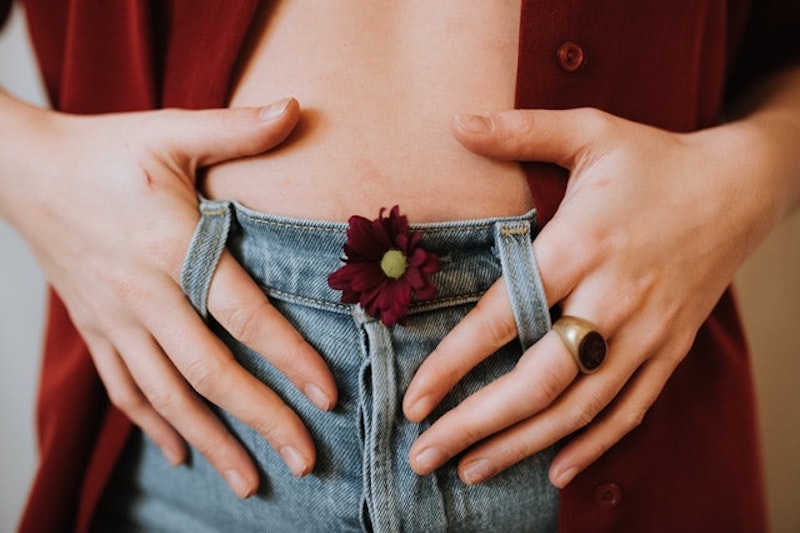
a woman holding belt loops

*Model

A tummy tuck, or abdominoplasty, is a procedure that can help you with getting your abdominal area flatter and smoother, especially after pregnancy or weight loss. Although this surgery can have outstanding beneficial effects, it is definitely considered a fairly invasive procedure. This means that there are a few activities to avoid after a tummy tuck to get through the recovery period as seamlessly as possible.

A tummy tuck can help you keep the weight off, but you have to be careful after surgery since the recovery period can last up to 12 weeks. As your abdominal muscles heal, you must abstain from doing certain activities for the time being. Since patients sometimes tend to overestimate themselves, it is crucial to keep in mind that you have to allow your body to recuperate after a tummy tuck to reduce the risk of complications on your way to recovery.

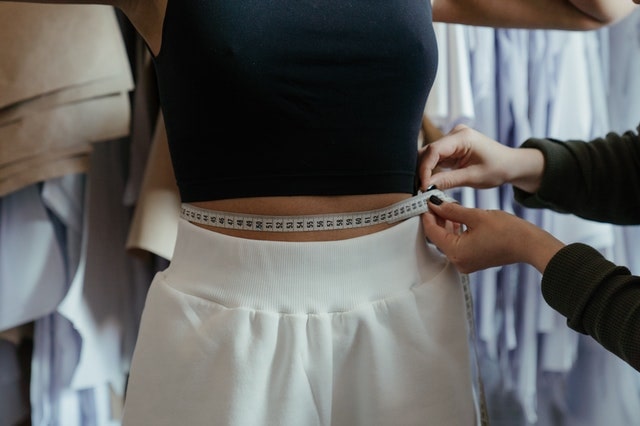
a woman measuring the waist of another woman after a tummy tuck

*Model
A tummy tuck is third on the list of most popular aesthetic surgeries in the U.S.

Therefore, you might have to make some changes to your daily routine for a few weeks. Read on to find out what you should avoid doing after a tummy tuck surgery – and for how long.

Avoid Driving After a Tummy Tuck

You will most likely be put into general anesthesia before the surgery to ensure you do not feel any pain or discomfort. However, when you wake up after the procedure, the anesthetic might make you feel a bit lightheaded and woozy. That is why you should not attempt to drive after the surgery for some time (and especially soon after the surgery!). So…

Do not drive yourself home after the surgery

Your surgeon might give you the green light to go home on the day of the procedure. However, it is best if a family member or a friend drove you home. If you decide to take a taxi home, it is still recommended that you have someone to stick by your side. Since you might be too out of it after the tummy tuck, they can help you put on your clothes, get in the car, and arrive home safely. 

Keep in mind that you can also choose to spend the first night at the surgical center if you feel too weak to head back home immediately.

Do not drive for a few weeks after the surgery

It would be best if you did not attempt to drive your car even after the anesthetic wears off completely. You will probably have to take strong pain relievers for some time after the procedure, which is why you want to wait until the pain and the swelling go away. Even if your surgeon does not prescribe painkillers, you will not be able to drive for quite some time. Either way, be sure to consult your surgeon every step of the way.

Avoid Eating Salty Foods

Surgeons usually prescribe a strict diet their patients are required to follow after a tummy tuck. Since you will experience swelling in the abdominal area, salty food is not allowed, especially in the first week after the procedure.

Salty, processed, and frozen food makes your tummy bloat, making the healing process unnecessarily painful.

Exercising Is One of the Activities to Avoid After a Tummy Tuck Surgery

So, although you might have gotten used to exercising prior to the surgery, it is best if you do not attempt to go to the gym several weeks after the procedure. Simply put, your muscles are entering the process of repair to ‘fill in’ the space left empty after fat and skin have been removed from your belly. Since your core muscles are recovering, weight-lifting or aerobic activities will disrupt the healing process, which is why you should avoid working out at least two weeks after the surgery.

a woman in a red sports bra holding a water bottle, symbolizing activities to avoid after a tummy tuck

*Model
One of the activities to avoid after a tummy tuck is going to the gym or doing other demanding exercises. You should move minimally during the first few weeks.

For this reason, be sure to avoid activities that might strain your core muscles excessively. For instance, if you have to lift your baby, be sure to do it while you are sitting down. Also, activate your arms and thighs, so you do not hurt your stomach muscles when you are doing it.

When it comes to other activities that involve lifting bulky items, such as relocating to a new home, it is best if you leave the heavy lifting to those who have the experience and strength to do this for you. No matter how strong you might feel, hiring professionals to help you with your move is definitely a better option than risking disrupting your muscle repair.

Keep Your Body Active by Walking After the Surgery

However, this does not mean you shouldn’t move your body at all. Sometimes patients take this recovery guideline too literally and stop engaging in a physical activity altogether. Although you shouldn’t exercise vigorously, it is essential to walk after the surgery. Succumbing to the pain and turning into a couch potato is also not suitable for your recovery process. You need to start activating your stomach muscles by walking normally a few days after the surgery.

Walking after surgery is also crucial for a bowel movement. When you do not move at all, gastrointestinal gases can pile up and increase the amount of post-op pain the patient feels. Additionally, light exercise increases blood flow, which speeds up the healing process.

a woman experiencing stomach pain

*Model
Your stomach might hurt if you stay inactive after the surgery.

So, although you might experience pain when you move or even stand up straight in the first few weeks, it is important to endure the pain and engage in short walks as often as possible. 

All in all, we hope this short article on activities to avoid after a tummy tuck surgery has helped you visualize what your healing process should look like. We wish you a quick recovery!

Dr. Wald Looks forward to
helping you reach your
cosmetic goals.
Schedule a consultation


Robert Wald, MD
100 E. Valencia Mesa Drive, Suite 300
Fullerton, CA 92835


Phone: 714-312-3549
Fax: 714-738-1862

Get To Know Dr. Wald
Free Consultation Limited Time Offer!