
June 09, 2026 | 5 Minute read
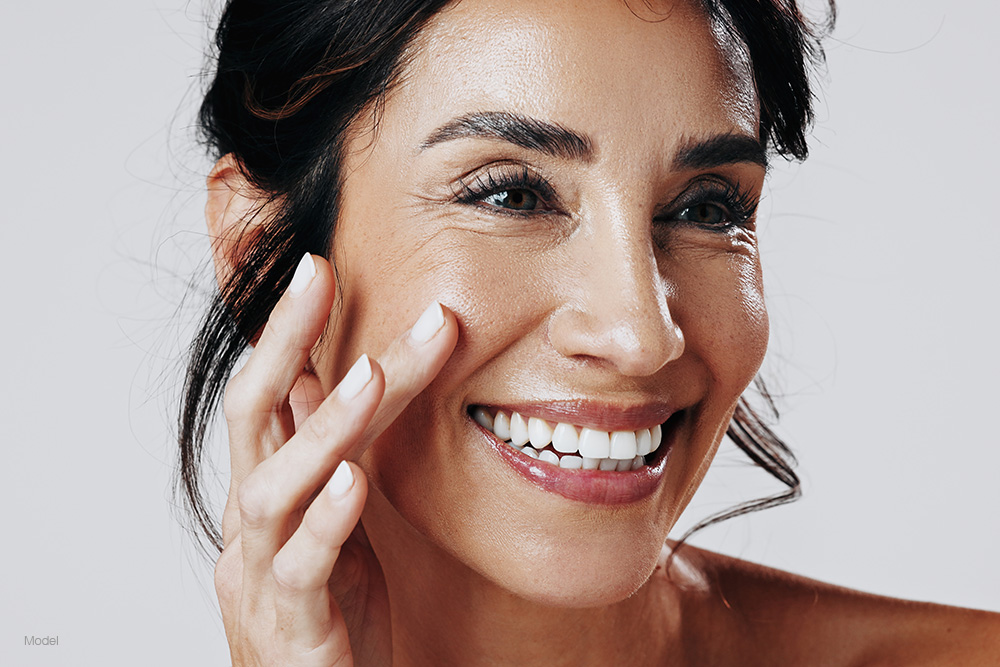
A deep plane facelift is a surgical procedure that restores facial harmony. It corrects moderate to advanced signs of aging, such as deep nasolabial folds, neck skin, and deep wrinkles. This procedure is performed by releasing ligaments beneath the superficial musculoaponeurotic system (SMAS) layer and repositioning the fat pads and muscles without strain. This achieves a youthful contour and helps patients renew their confidence.
If you’re considering a deep plane facelift and curious about the recovery process, this blog will guide you through what to expect and offer home care tips to ensure a safe recovery.
What to Expect After a Deep Plane Facelift
Recovering after a deep plane facelift is an extended process with distinct markers along the way. Since a deep plane facelift is a more invasive procedure that works deeper into the tissues and muscles than a mini facelift or a traditional facelift, recovery is more extensive. However, it has long-lasting, natural results that exceed the recovery timeline.
Patients can expect swelling, bruising, and tightness immediately following surgery. Although these symptoms do pass, improvements will become apparent over days and weeks. Soon after, patients will begin to see results of their deep plane facelift as their bodies heal and restore.
While everyone experiences their own journey to recovery, there is a general timeline that patients can expect. This will help you better understand what comes after your deep plane facelift and prepare.
How Long Does It Take to Recover From a Deep Plane Facelift?
The recovery timeline for a deep plane facelift is usually measured in stages.
Week 1
The first week of recovery is usually the most intense, with bruising and swelling the most significant. Patients can expect mild to moderate discomfort, but Dr. Wald will prescribe oral pain medication to help. Excessive swelling and bruising after a deep plane facelift typically peak at three to four days before improvement gradually begins.
Rest, head elevation, and following Dr. Wald’s compression instructions are usually emphasized at this stage as well.
Week 2
Bruising and swelling are still evident, but at this point, it’s usually easier to manage. Most patients feel comfortable enough to do light activities around the house and return to desk jobs. While light activities are allowed, it’s important to avoid strenuous activities until you’re in the later recovery phase.
Week 3
During this stage, patients can expect bruising and swelling to improve significantly, although tightness and tingling may persist. Patients also begin to look like themselves again, even if their face still feels uneven as tissues continue to heal. Additionally, numbness around the ears and neck lasts several weeks after surgery.
Week 4
At this point, patients are comfortable enough to return to their regular routine. Swelling continues to improve, incision lines are settling in, and facial contours become more visible. Strenuous activities, such as heavy lifting, are still restricted for a month after surgery.
Month 1
Many patients feel closer to normal at this point. Subtle swelling and numbness may still be present. The face has softened and appears more natural at this stage, and patients may gradually resume exercise if Dr. Wald clears them.
Month 6
Final refinements continue. Patients can see their facial contours more clearly as scars mature, and minor swelling and numbness are nearly gone. Your cheeks and jawline should look more defined, and your skin should be smooth and firm.
Recovery Tips for Home Care
To help your recovery process be as comfortable as possible, you can follow these recovery tips to optimize your home care:
- During the early healing stages, take gentle walks around the house to support circulation.
- Carefully follow Dr. Wald’s incision care instructions.
- Protect your face from the sun, as sun exposure affects the healing process.
- Eat soft, nourishing foods; they can help limit jaw movement.
- Avoid smoking and drinking.
Make sure you attend all of your follow-up appointments with Dr. Wald, and if you have any questions or concerns, contact our office.
What Happens if I Combine My Deep Plane Facelift With Another Procedure?
A deep plane facelift is often paired with other procedures to optimize facial rejuvenation. This includes:
- Neck lift
- Blepharoplasty
- Brow lift
- Fat transfer
- Skin resurfacing treatments
These procedures can address and correct aging concerns across the face. The best combination would depend on your goals, anatomy, and Dr. Wald’s recommendation. Keep in mind that combining another procedure with a deep plane facelift can affect the recovery timeline.
Want to Learn More About Deep Plane Facelifts in Fullerton, CA?
If you’re considering a deep plane facelift in Fullerton, CA, then The Aesthetic Institute can help you achieve a long-lasting, youthful result. Dr. Robert Wald is a board-certified plastic surgeon with extensive training and experience. He will listen carefully to your body goals and concerns, so he can deliver beautiful results that help you lead with your most confident self.
To learn more about facelift options, call (714) 312-3549 or complete our online contact form today.